On the surface it is a matter of weather, but put in enough time on the road from Torquay to Port Campbell and you will find the Great Ocean Road summer versus winter debate is more one of tolerance. Tolerance of the wind and your wet shoes, of queues and the heat, or of a $380 night in Apollo Bay as recompense for leaving your booking until late January.
To be blunt, I would say summer has the edge if you want something warmer and brighter for the beach. Then again, winter is where you get value for money on a room, stronger waterfalls in the Otways, less jostling at the Twelve Apostles and a good vantage for the southern right whales that put in an appearance off the coast. If you’re planning to visit, don’t miss our winter weather guide for the coast.
I am not convinced there is any one ideal time to come to the Great Ocean Road. The season you pick should accord with the way you travel. For some that is a 6.30 pm fish and chips in Lorne with sand still on your legs; for others a July stop at the lookout, hood up against the Southern Ocean as it comes at the cliffs. I’m Adelaide Crowe and I don’t see it any other way.
Quick Summary
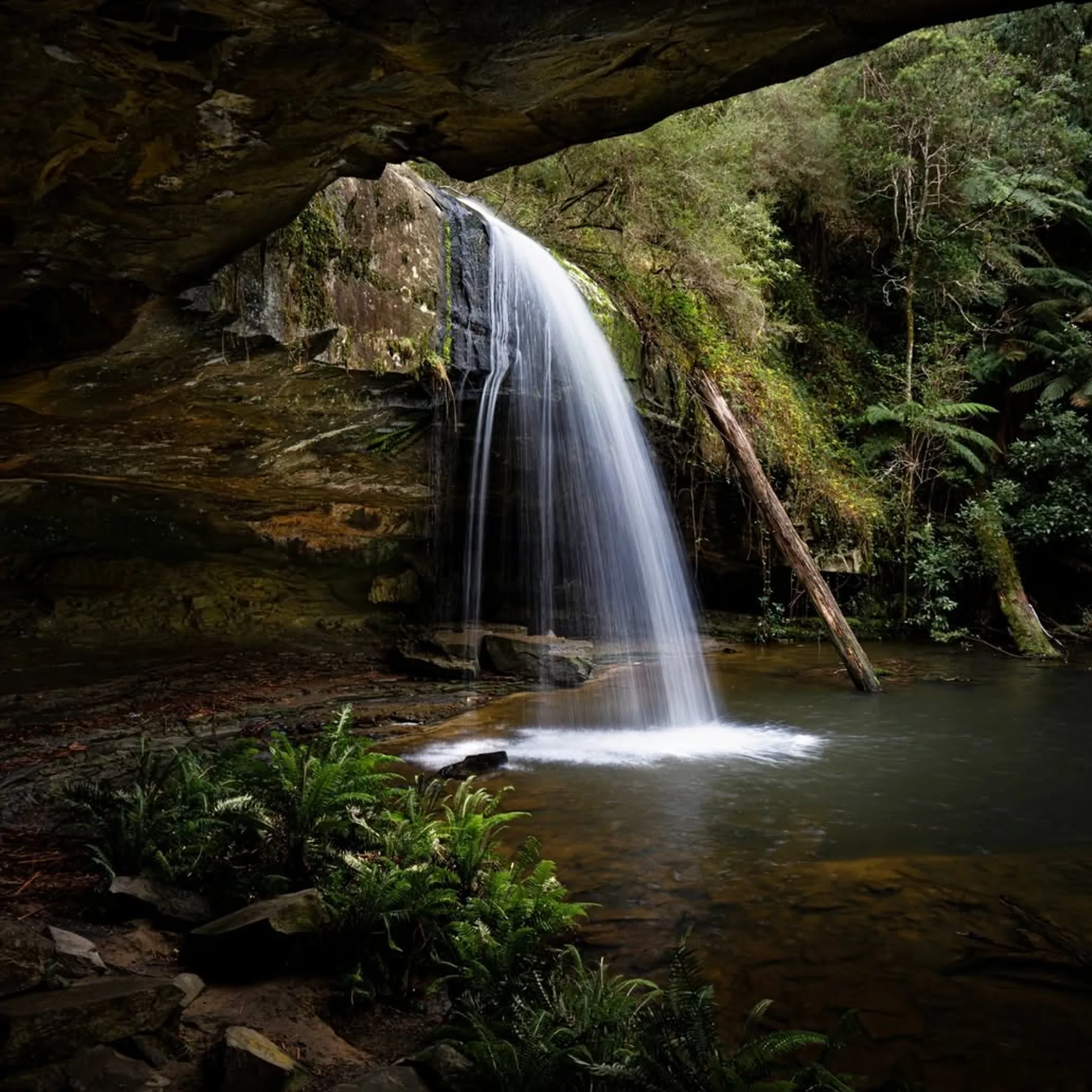
In brief, the contrast in daylight, noise, parking and cost is immediate. Summer is all holiday strip, while in winter the coast seems to be breathing out. And you need patience by 11 am to prove it.
Then there is the road which is as hard going in one season as the next. It is a long Victorian coastal drive after all, with its share of bends and stop-starts and the odd weather change near Apollo Bay. There are plenty of spots to make the mistake of saying “we’ll be five minutes” and return 35 later.
| Factor | Summer / Winter |
| Typical temperatures | Warmer, suited to an outdoor meal or a walk around town / Cooler, so you will want to layer up for a walk |
| Rainfall | Drier as a rule than in the June to August period / More of it, with skies and road spray to match |
| Daylight | Longer evenings make full-day driving a non-issue / Dark comes early and puts a crimp in your schedule |
| Crowds | Lookouts and car parks are at a premium / Quieter for the most part, save for the school and public holidays |
| Accommodation | You will pay for it in Lorne, Port Campbell and Apollo Bay / Better vacancy and rates |
| The Ocean | Good for the beach, provided you have respect for the swells / More storm energy and rough seas |
| Wildlife | Beach towns and birds are in full swing / Prime whale watching on the Great Ocean Road |
A Weather Snapshot
Here the weather makes itself felt. What was a fine morning in Melbourne can be drizzle at Skenes Creek and then you are facing sideways wind at the Twelve Apostles an hour down the track. I do not take a forecast as gospel, more of a rough sketch.
It is the difference between a visit to Loch Ard Gorge in the stillness of a summer day and the same place in winter under dark cloud with cold spray and your jacket zipped to your chin. One is a trip, the other is quite another coast.
Temperatures, Rainfall And Light
Summers tend to be milder in the morning and warm by afternoon, with daylight to spare for when plans go awry. Winters are darker and cooler, and the rain in the Otways sees to it they are greener.
A practical example: in December or January you might waste 20 minutes hunting for a space in Lorne and 25 more over an Apollo Bay coffee and still be at your overnight stop before it gets dark. Do the same in July and you could be on some unfamiliar bend at dusk with the roads wet and kangaroos about.
Before you set off I put my trust in the Bureau Of Meteorology weather forecasts and warnings for their warnings and forecasts.
Apollo Bay
You see the divide in Apollo Bay like nowhere else along the route. The foreshore is heaving in summer, coffee lines encroach on the footpath and by mid-morning there is a certain holiday disarray that is either loved or endured for nine minutes.
Winter is a different town altogether. Park up without circling the block, have a word with the bakery and be off into the Otways unencumbered by the rest of Melbourne.
Perks of a Summer Beach and Road Trip
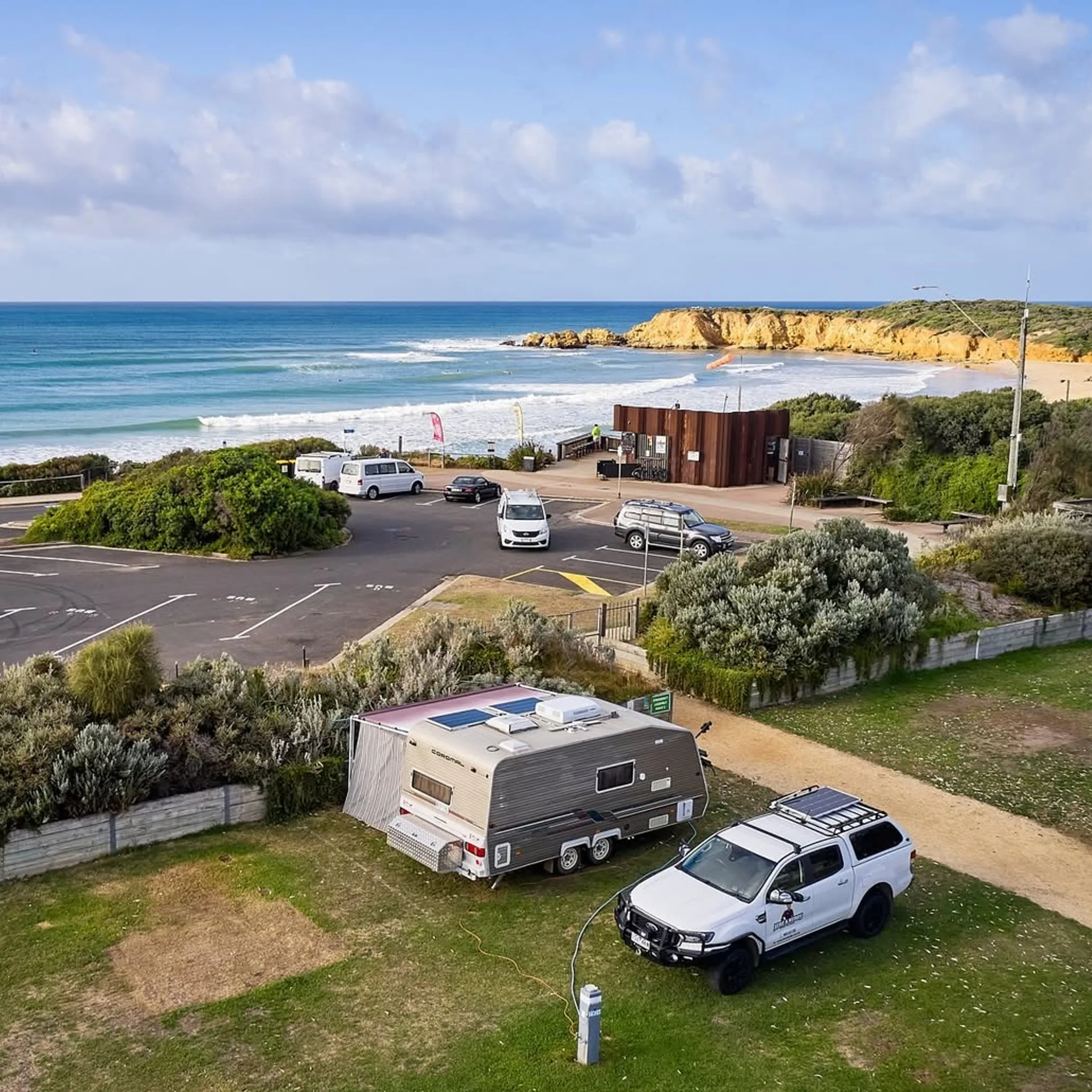
This is what is first to mind for most. The later sunsets, the towels and swimmers, kids expending themselves in Lorne and the postcard quality of the road trip that first-timers are after. One can see the appeal, and for a good many travellers it is the wiser option; if you are of a mind to be at the beach and not have your day in a jacket, summer is preferable. Then again, a summer on this coast has its demands: you put up with car parks at capacity, lookouts that are not as quick as they might be and the knowledge that at any given famous spot you are vying with a host of others for the same phone picture.
Summer’s Strong Points
For town hopping or a few unassuming stops along the Great Ocean Road, summer is fine. The Lorne foreshore, Apollo Bay, an outdoor lunch or some coastal walking are all more agreeable when the wind has let up and you are not being pelted by showers.
Families tend to have it easier in these months. With the daylight lasting longer there is time for a swim and the occasional scenic diversion and those leisurely departures occasioned by a child who can’t put a shoe on or another for whom a sausage roll from the bakery has become an event.
Don’t be fooled into thinking the Southern Ocean is any more amenable because of the warm weather. The surf is no less serious.
The Summer Hassle
You will run into the crowds on the Great Ocean Road, come late morning in central Lorne or at the Twelve Apostles and Loch Ard Gorge. A parking delay begets another and what was meant to be a relaxed day on the coast turns into something of a logistical chore.
There is also the matter of bushfire risk, which I feel is not made plain enough in the usual sales pitch. Inland near the Otways things can turn on a hot, windy day; smoke will put you off a stop even without flames in sight of the highway and access is subject to change, romance be damned.
Winter: Quiet And Drama
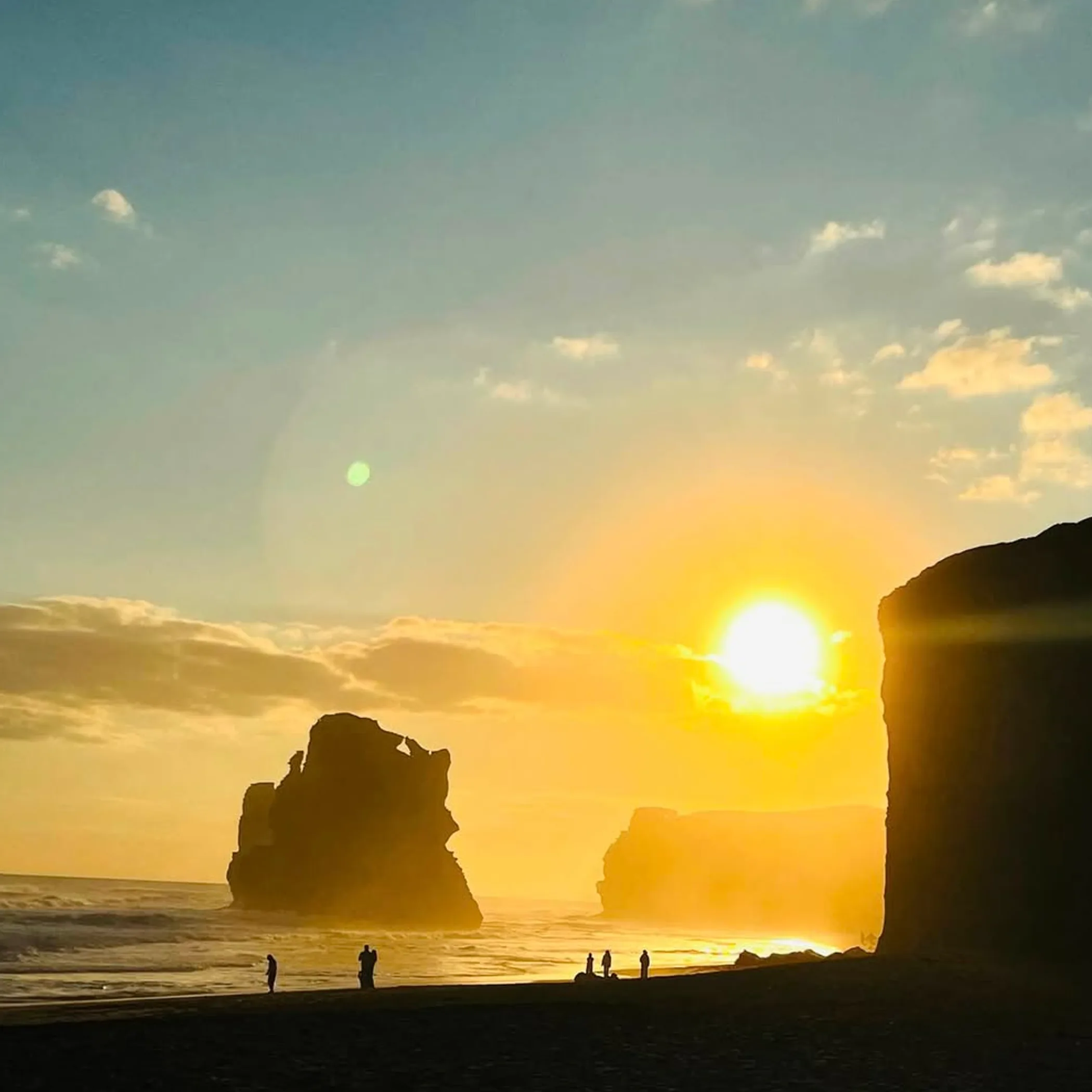
I would put in for winter were I an adult with no intention of going to the beach. The coast has a rougher, greener quality about it, more honest, and at certain lookouts you can make out the sound of the surf over the clamour of half a dozen car doors.
Tell me you want to see the place for what it is and not just go through the motions and I will suggest a visit in June, July or August. Winter affords you the room to stand and put in ten minutes watching the sea without the next batch of day-trippers herding you on.
Better Than You Might Think
The western end has more of a mood in winter than on a crowded January afternoon, the cliffs and the sea appear stronger. Conditions at the Twelve Apostles can be splendid. Rain has done its work on the waterfalls in the Great Otway National Park and whale watching is at its best in migration season; with a little patience and an eye to the horizon you may well spot a humpback or southern right offshore.
A waterproof jacket and shoes with some grip are in order, and you should have the humility to concede that a July sea breeze will have the better of your hair.
Where Winter Fails Some
It is not for everyone. The light is gone sooner, rain will encroach on your stops and the roads seem to take their time. From the car park a beach may look inviting but once you are in the wind facing the swell you will find swimming is out of the question.
Those with an aversion to altering their plans on the spur of the moment are ill served by winter. The best of it comes from looking at the sky and radar at 8 am and making adjustments, not adhering to an overstuffed list drawn up a month back.
Wildlife And The Ocean
Summer has its seabirds and shoreline bustle but winter puts a different rhythm to the place you can sense at the cliff lookouts. Too much of a sprint from one postcard to the next and you will overlook the good stuff in the quieter parts. Make an effort to slow down.
Then there is the matter of whales. It is one of the things to do in winter on the Great Ocean Road as the humpbacks and southern rights are in transit. The word on the street in Port Campbell or Apollo Bay is worth more than a brochure. Binoculars are useful, but don’t be in a hurry to buy some unless that is why you are here; when the conditions are right and someone at the lookout says “just past the whitewater”, you will see them well enough.
There is no time of year when the ocean swells are not a factor. Come winter they can seem enormous in the vicinity of an exposed cliff, something to admire from the vantage of a lookout but not an invitation to be casual by the waterline; in summer they have a way of putting paid to any laid back beach plans you might have had.
Crowds, Budgets And Beds
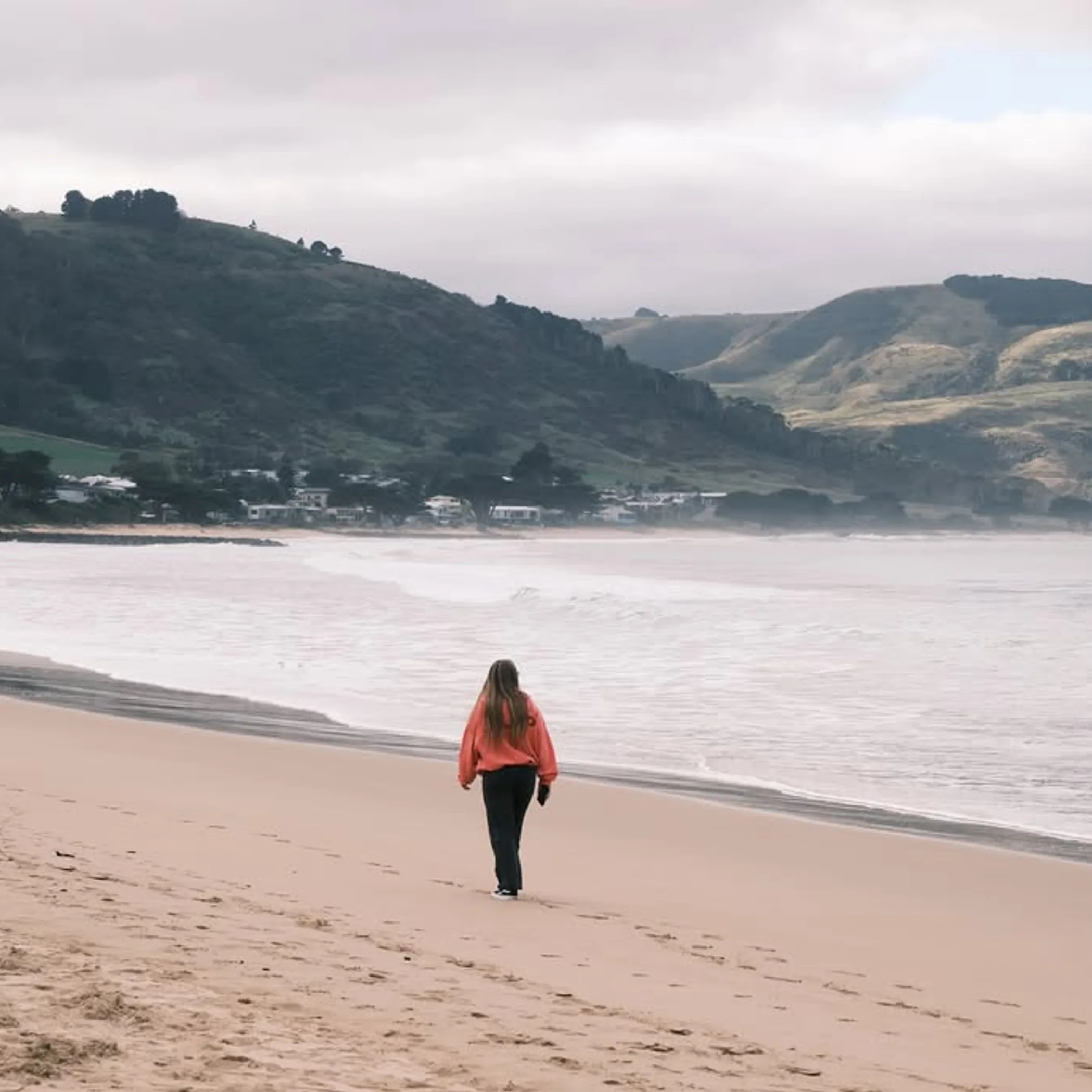
You will be as aware of the season in your wallet as in your skin. Summer has a tendency to put room rates up and make for more of a contest over dinner in the well-heeled towns, not to mention car parks. Winter tends to ease off on all that.
For one who would rather not stand in a queue or shell out top dollar for a motel with nothing to recommend it, winter is preferable. Then again, should you want a town with some life to it and places that don’t close at first light, there is a good argument for making it summer.
Price
On the Great Ocean Road you will find accommodation gets pricier over the main part of summer and any long weekend or school holiday, particularly in Lorne, Apollo Bay and Port Campbell. Leave it too late and you can pay more than the room warrants.
In winter I have noticed the cost of the same sort of place comes down. A couple on their own with modest tastes in food, fuel and lodging can put in around AUD 220-450 a day, as against the order of AUD 320-650 in summer unless you are content to keep things simple and avoid the “we are on holiday” indulgence.
Marketers do not like to hear this, but a small place can be flat after 5 pm in the depths of winter, midweek being the worst of it. With fewer about, a quiet town becomes a dead one if you are in search of nightlife.
Expectation Vs Reality
The expectation in summer is of an easy road trip. The reality may be 20 minutes of going round in circles for a park at some well known spot, then you are in with the crowd on the boardwalk before the view has presented itself.
Winter is often thought of as a dreary compromise, but that does the season a disservice. Over two or three days it affords a calmer tempo and better atmosphere than a hasty out-and-back, and the logistics are cleaner.
Driving, Packing And Safety
One cannot be too casual about this drive given its notoriety. For the most part safety on the Great Ocean Road is business as usual, but that is what matters on a wet, winding road where everyone is intent on cramming the unobtainable into a single day.
I see independent travellers make the same error constantly: they do not allow enough for fatigue or for stops, and think every lookout is a two-minute detour from the car (some are not). The likes of Go West Melbourne Tours and Great Ocean Road Melbourne Tours are better at managing their time.
What Catches People Out
To try and do too much in a day from Melbourne is the cardinal sin. Make it one day and you have to choose: the eastern towns and Otway or the western side with the Twelve Apostles and Loch Ard Gorge. Do both and you have a marathon behind the windscreen.
And do not let the return leg get the better of you. An inland loop may look quicker but come the end of a day on the coast, with the rain or the holiday traffic, you will be glad you did not leave tiredness to chance.
- Summer packing: hat, sunscreen, swimmers, light layers, a phone charger, snacks and sturdy footwear for the lookouts, plus a contingency for bushfire risk or a closed road.
- Winter packing: a thermos, dry shoes, an umbrella of no great value and a waterproof jacket, and check your headlights.
Seasonal Route Ideas
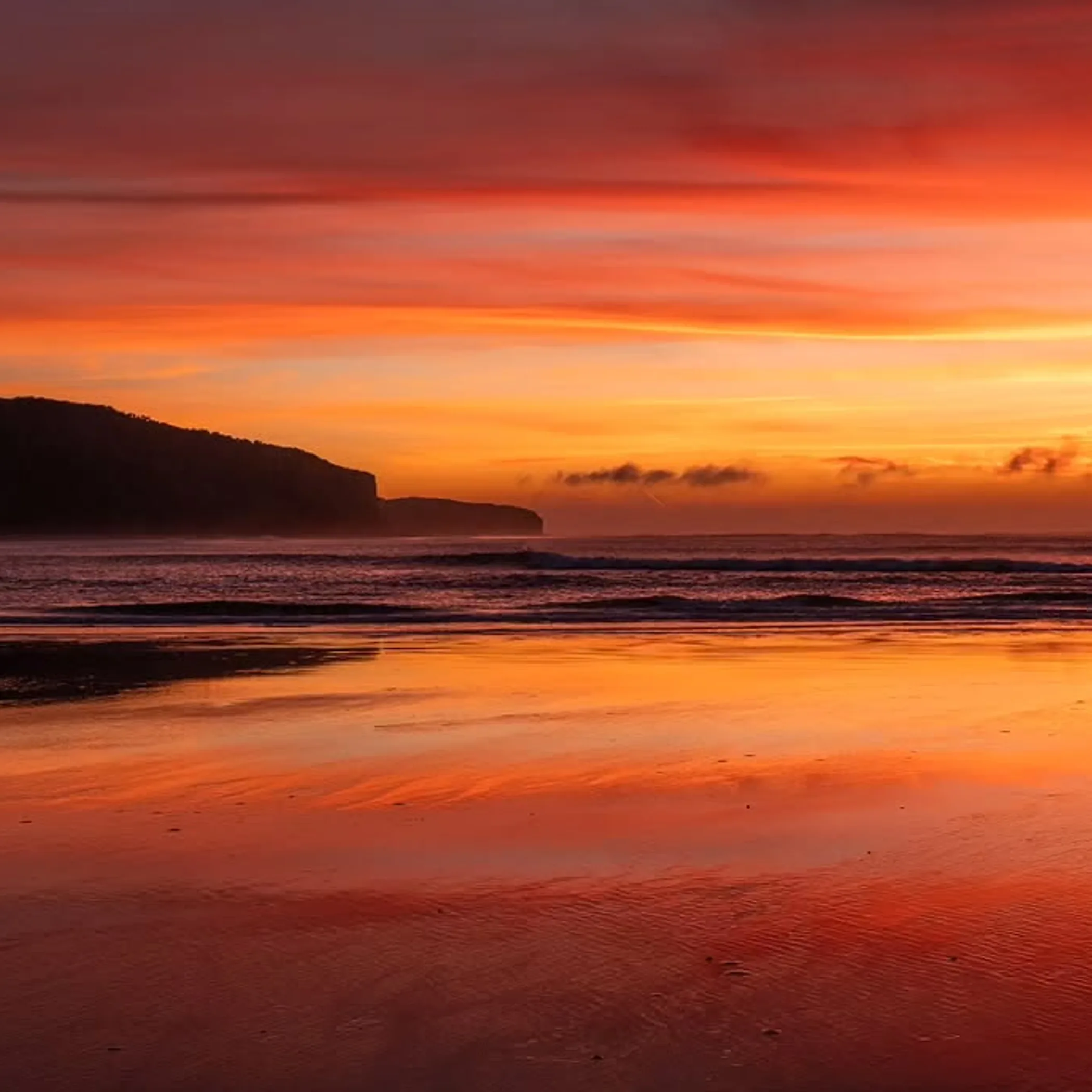
It is a question of pace, not how ambitious you are. Once you factor in the toilet breaks, the photos, the roadside pull-ins and the inevitable “we may as well duck down there”, every stop will run longer than anticipated. I made the mistake of thinking three big stops and a lengthy lunch was sensible on one trip (it was not) and found the coast has a way of stretching time.
One To Four Days: Making The Most Of It
| Trip Length | Summer’s Best | Winter’s Best | A Reality Check |
| 1 Day | A long day in Melbourne with little leeway to take in every sight. Make an early start and put your focus on Lorne and Apollo Bay, or head straight for the western icons. | Choose one region and leave very early | Long Melbourne day, with no room for trying to see everything |
| 2-3 Days | The sort of road trip you expect, with time for the beach and a few towns. You can drive at a more leisurely pace to see the waterfalls and whales. For the majority I would say this is the minimum. | Excellent for waterfalls, whales and slower driving | The minimum I suggest for most people |
| 4+ Days | For the photographer or one who does not like to be in a hurry. Time to put in some Great Ocean Walk, linger over a meal, make for the surf towns and have a day or two to accommodate the weather as well as the Otways walks and wildlife lookouts. | Add wildlife lookouts, Otways walks and weather-flex days | Best for photographers and slow movers |
An itinerary for the Great Ocean Road in summer is best served when you have put in an early booking for your accommodation and do not feel compelled to put every stop on the map into one schedule. In winter a 2-3 day excursion has a way of being richer; you can afford to give Apollo Bay, Loch Ard Gorge or the Great Otway National Park their due and work with the weather.
Choosing A Season
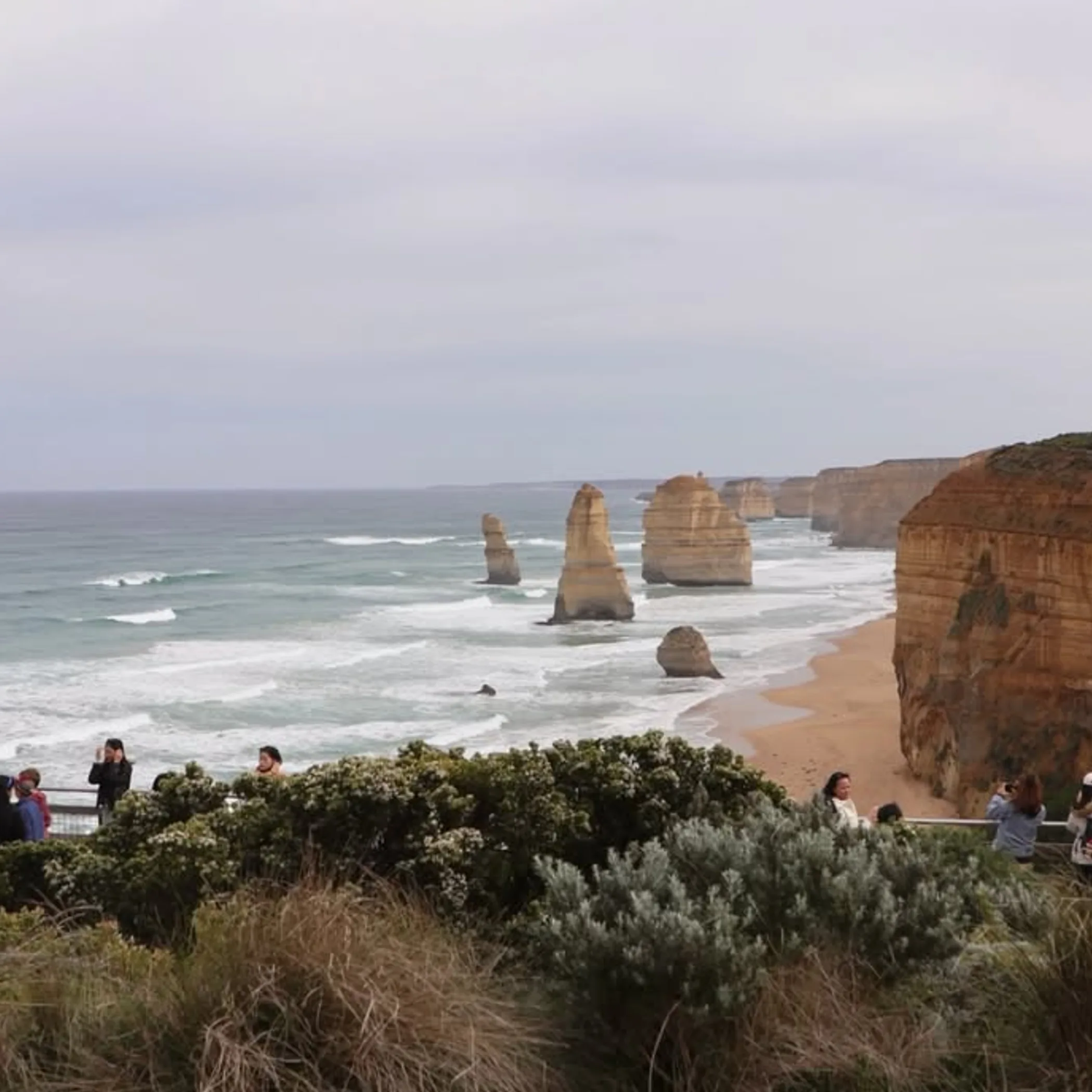
To be blunt, if it is classic holiday fare you are after, or you are a first timer in need of some warmth and want the beach to be the main attraction, then summer is preferable. Winter has its own appeal in the form of atmosphere, whales and waterfalls, not to mention easier parking and a lower price tag.
But neither season is going to suit all. One might opt for summer to have fish and chips al fresco in Lorne, go for a swim and have the evening light to oneself. Another will choose winter for the dark sea, the coat and the bakery pie, and so that there are not so many strangers in the picture.
Then again, you may find summer the answer if surfing, lively coastal towns and long hours of daylight are what matters. Or winter if you prefer moody Southern Ocean views, whale watching and the fact that you will not be paying top dollar for a room on the Great Ocean Road. Do yourself a favour and stay away from the wild storm weekends and school-holiday peaks if you are put out by traffic, a scramble for parking and the whole rushed day routine.
By Way Of A Final Word
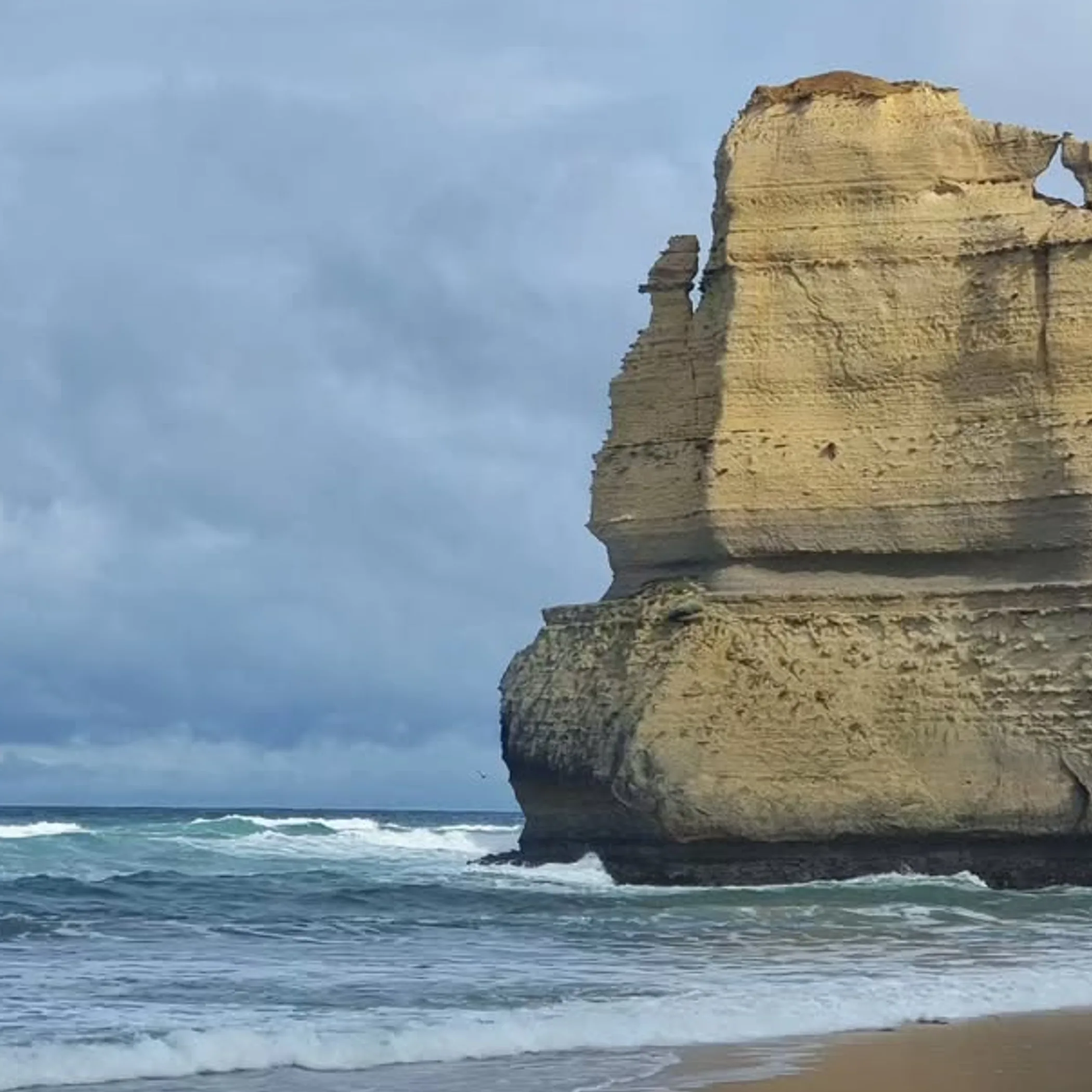
Should you be in two minds about summer versus winter on the Great Ocean Road, here is my view. Summer is for the busy coastal towns and the beach. Winter is for the open space and a coast that seems to dwarf the crowd before it.
If you have only one opportunity, do not go by the fantasy of who you are. Pick the season you are used to. The one who fancies a hot pie and a windswept lookout in Apollo Bay will be better off in July than someone who proclaims they will put in eight hours on the sand and does not make 40 minutes of it.
FAQ
What Is The Best Time To Travel The Great Ocean Road?
It is a matter of how you want the trip to be. For long days and warm beaches, summer. If you want to avoid the crowds and cost, and watch the whales and waterfalls, make it winter.
Will Australia Have A Hot Summer In 2026?
You will not get a straight answer on that from anyone without them losing their composure. Be sure to consult the Bureau Of Meteorology and when you plan for this coast in summer, factor in the heat, UV and any bushfire risk.
Where In Australia Will You Find The Best Weather Year In And Out?
There is no definitive answer since “best” is subjective. The Great Ocean Road is hardly the most consistent for beach weather. Any month of the year the south-west coast of Victoria can change in a hurry, which is what makes it so much of a place to be but also why some are found wanting.
Is July Recommended?
For a cooler air and some bite in the scenery, yes. It is good for whale watching and driving slowly in layers. But do not expect to fulfil a dream of a proper swim day.
Can You Do The Great Ocean Road In A Day?
You can, though it is a quick affair. You will have to settle for one part of the route rather than think you can cover it all. Two or three days is more to the point for most, particularly in winter when the daylight and weather put constraints on you.
