Hot Water Systems Australia
There is no need to make a comparison of hot water system types in Australia any more complicated than it has to be; look at your budget, the climate, what energy you are on and how much hot water the household goes through. While an electric storage or gas system (instantaneous or storage), a heat pump or solar will all perform the same function, they can not be compared when it comes to reliability, installation or what they put you back in running costs.
In the case of most Australian homes, a heat pump is hard to beat as an all-round proposition, provided there is an appropriate spot outdoors for it and the initial outlay is not an issue. Solar is ideal for the sunnier parts of the country and conventional electric storage is still the way to go for some. Then there are gas systems for those who have the connection, but one would do well to consider network availability and the vagaries of energy pricing before making a commitment. Below Adelaide Crowe puts the practical differences in perspective and points out where people are prone to be caught out.
Choosing The Right System
Do not assume the newest or most inexpensive model in the showroom is the answer. The right hot water system will be in keeping with the property’s energy infrastructure, local weather and space, as well as the number of occupants and their peak showering habits.
A small system may suffice for one or two people, but a family with multiple bathrooms calls for something with more capacity or a quicker recovery rate; an undersized tank will be no match for a teenager’s penchant for long showers. To get a handle on your household’s energy consumption and curtail what is unnecessary, the Australian Government has some good guidance on energy-efficient homes.
Capacity Versus Demand
With a storage system you have a tank of hot water at the ready. Capacity is key because an empty tank means waiting for the water to be re-heated. What seems like a good price on a tank can turn into a nuisance come morning when the whole house wants to shower before work or school. regular system upkeep can help keep it running reliably.
An instantaneous type will not run dry since it heats the water in transit, yet performance is subject to the flow rate and temperature of the incoming water. You may find a continuous-flow gas unit has its work cut out for it if there are a few taps on at the same time, in cold climes or with a restricted gas supply.
Installation Considerations
One must have a site that is conducive to installation with safe access and room for servicing. Heat pumps require the outdoor unit to have air to circulate, solar needs the roof and exposure, storage tanks a firm base.
Make sure you have a clear run to the present unit and see if a crane or roof access is in order before you call for quotes. Installers want to be told of strata rules, shared driveways, narrow side passages or an old system to be taken out. Such things have a way of adding to the final bill that a brochure will not tell you.
The Case For Electric Storage
An electric storage system is often the least troublesome replacement if the plumbing and electricals are already in place. They are simple to put in and everywhere to be had. An element in an insulated tank does the heating.
Then there is the matter of running cost. Standard electric resistance is reliable at converting electricity to heat but it is not as economical as a properly sized heat pump. A time-of-use plan can keep costs down by having the tank heat in off-peak times, though you still need to have enough for the day’s demands.
Where It Is Appropriate
Apartments, rental properties and smaller households without gas can make use of electric storage. It is also an option where the roof is not up to solar panels or an outdoor compressor would be too noisy.
Insulation on the newer tanks limits heat loss but perfection is not to be found in any tank. Put the unit in a sheltered spot and insulate the pipes you can get to. Do not put it behind a heap of garden tools; a plumber will want to get at the valves and connections should a leak develop.
Running Costs
Look beyond the purchase price. Factor in the warranty, service life, tariff and the unit’s electricity use. There may be government incentives to be had but rebates and the rules around them are subject to change so do not take an advertised discount for granted until you have checked with state and federal authorities.
Some will opt for a very small tank to conserve space. That is a mistake if the household is going to be running it dry; the cost is an early replacement or a reliance on the booster. A cheap hat is false economy.
Gas Storage And Continuous Flow
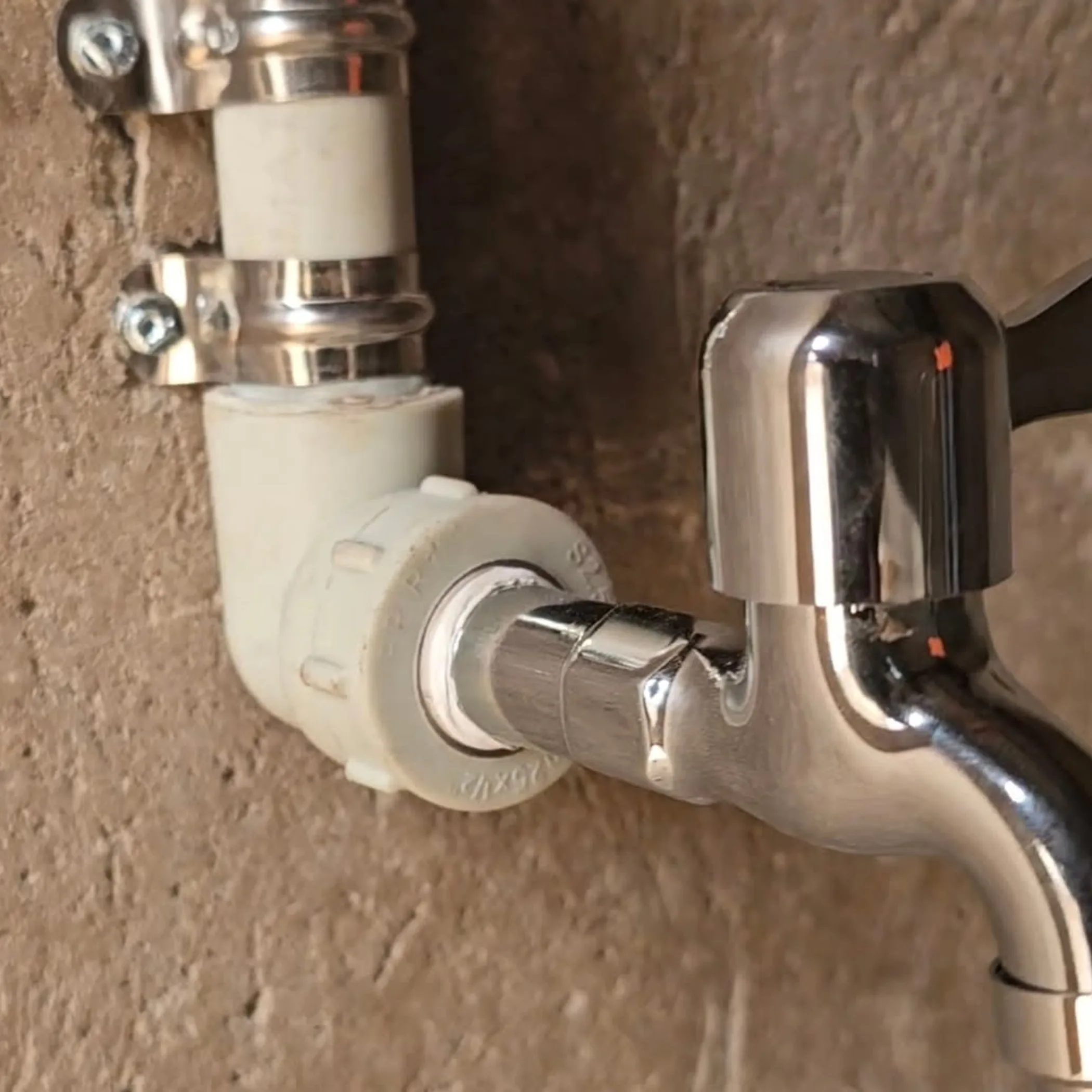
The burner in a gas hot water system does the heating. With a storage unit that is, the tank holds the hot water; a continuous-flow arrangement will not put on the heat until the tap or shower demands it.
For a large household the continuous-flow option has its appeal, as a properly sized one gives an effectively inexhaustible supply. Gas storage is of a more traditional performance but the tank will lose some of its heat and you have to make room for it.
Basics of Gas Storage
If a home is already on natural gas with the right ventilation and an outdoor spot for it, a storage system can be appropriate. It recovers hot water in short order though capacity is what it is. One should factor in the cost of usage and the ongoing charge for the gas supply. Where a property is tied to the network for hot water alone, the costs can erode any financial advantage. Get an annual estimate in full, do not be content with the energy rate.
Continuous Flow: The Trade-Offs
There are no standing heat losses with a continuous-flow system and, being without a big tank, it is space saving. At the same time the unit has to be sized to cope with simultaneous use and low-flow fixtures can run up against minimum flow requirements.
Any gas appliance must be installed and flued with due care and adequate ventilation. A licensed professional is to be had for any repairs, relighting or moving of the appliance. Should there be a smell of gas, put off the supply if one can do so safely, keep clear of flames and switches and put in a call to the emergency service or your provider.
Heat Pumps And Energy Use
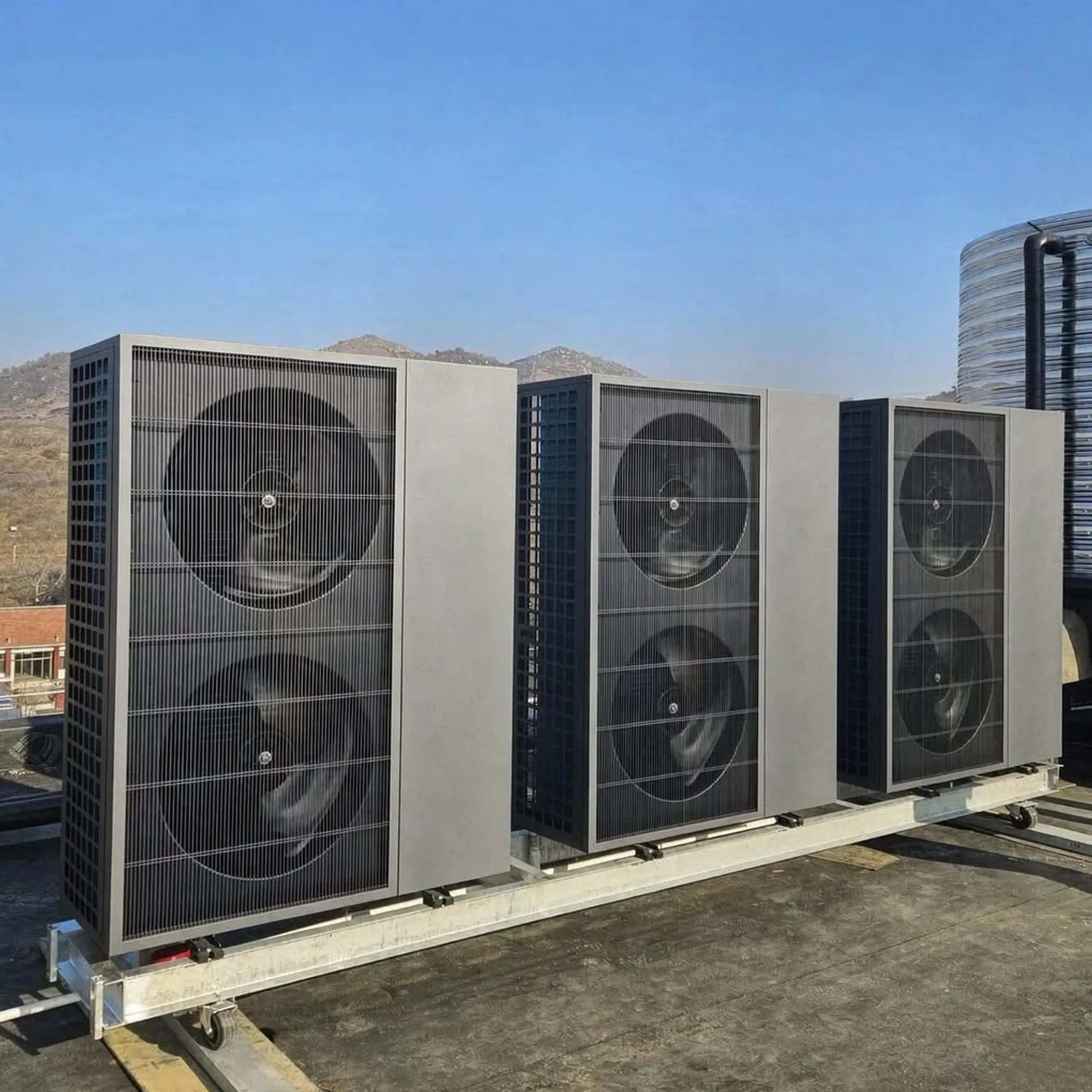
Conventional electric resistance systems create all their own heat. A heat pump for hot water is different in that it uses electricity to transfer it from the air into the tank, which means considerably less consumption. In Australia it is often the way to go for curbing running costs and emissions. There is a premium to pay at the outset and the outdoor compressor has to be sited sensibly, but over time the savings will see that out, in a home with high demand for hot water.
On Noise And Location
Do not expect a heat pump to be quiet; in operation it is akin to a fridge or an air conditioner and the noise will vary with the model and conditions. If there is an alternative, one would not put it under a neighbour’s living-room wall or by a bedroom window.
Clear drainage and airflow are called for. Dust and salt from the coast take their toll on outdoor gear, so when quoting have a good look at the site, do not just pick a corner. In the cold the system may turn to its backup heating with greater frequency.
The Payback
To get the most from a heat pump financially the household needs to be using a lot of hot water and be able to run the system when the cost is lower or solar is generating. With rooftop solar on the premises, daytime heating could draw on that directly, subject to the controls and the load of the house.
National averages are no guide to payback. Have the installer set out his assumptions and put your present energy use up against the proposed system. Rebates, climate and how one uses electricity will alter the figures.
Solar Hot Water
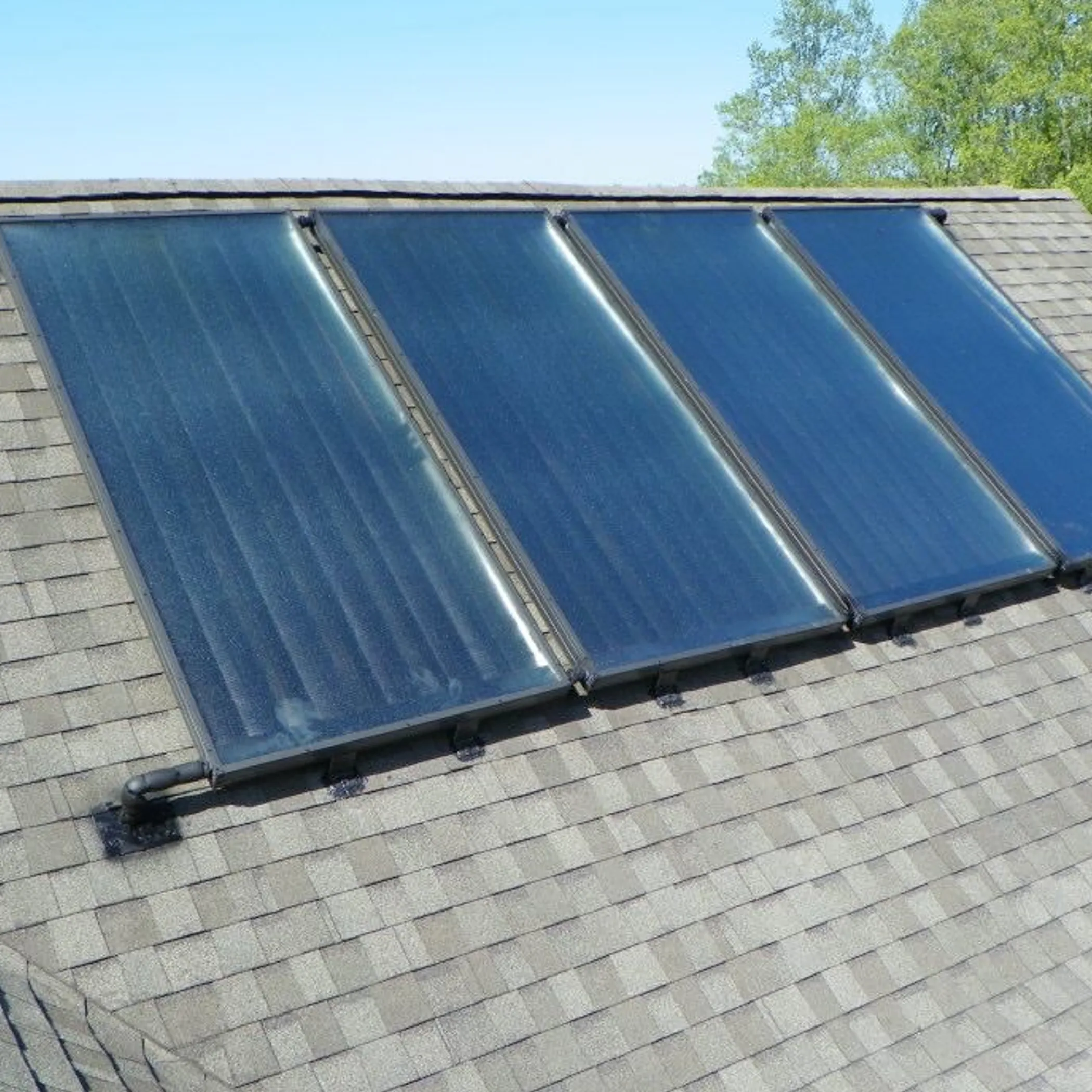
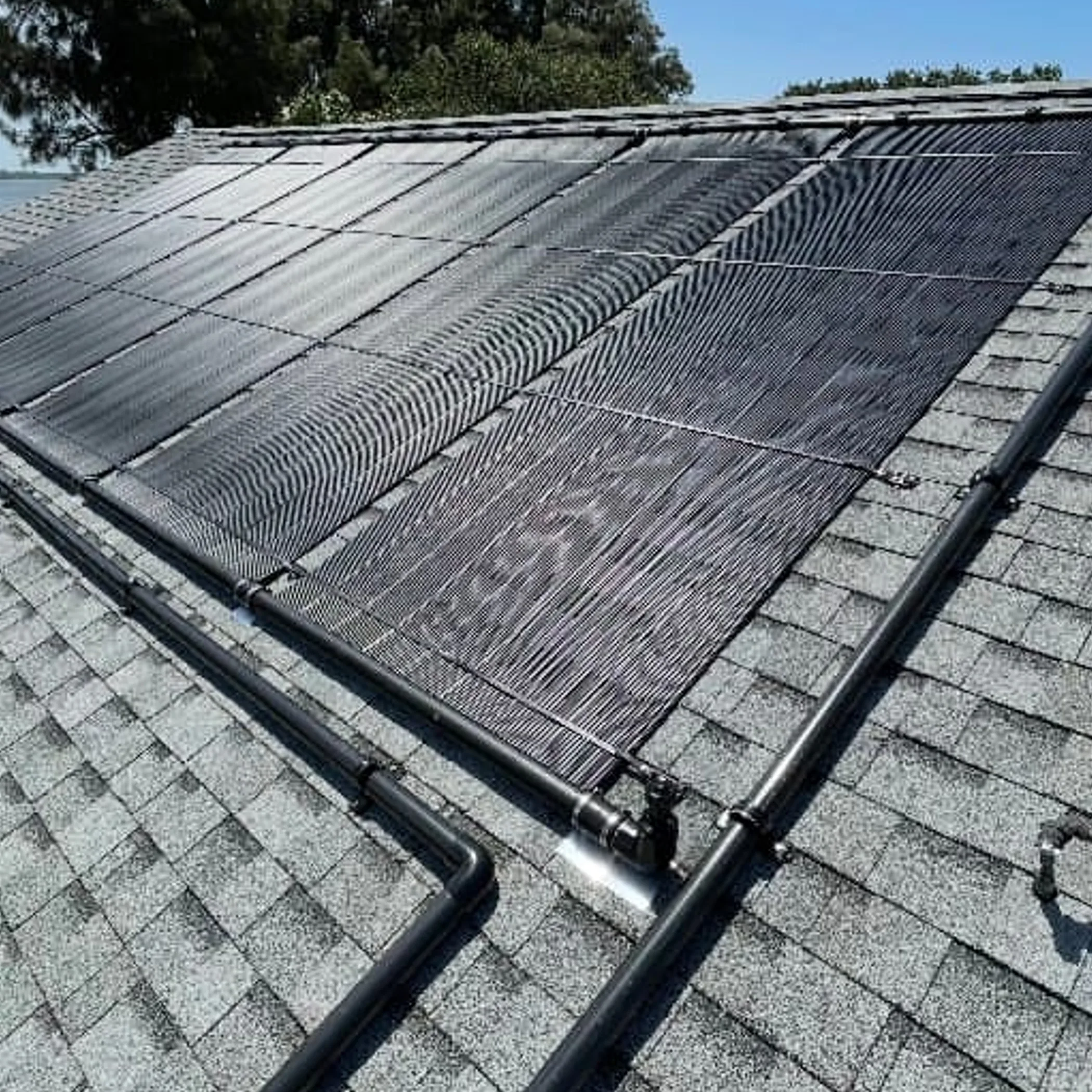
Collectors on the roof are what heats the water in a solar system, with an electric or gas booster to hand for heavy use or when the clouds come in. It is a good way to cut down on bought energy in the sunnier reaches of Australia.
But solar is only as good as the weather and the demand of the household, the collector area and any shading. What works in regional South Australia might require more of the booster in a Melbourne courtyard that is in shade. It is a clever system but it cannot make terms with a week of cloud.
What the Roof Can Take
Have a proper assessment of the sunlight before going with solar. Look at the pitch and orientation of the roof and its structure. A north-facing roof is not the only answer but nearby trees can become an issue once the work is done.
Then there is the matter of pipe runs from the collectors to the tank which can add to the labour and complexity and allow for heat loss. Make sure the installer has a plan for the external pipework and whether access to the roof is reflected in the quote.
Backup Heating
When the solar cannot deliver, be it after a few days of hard use or prolonged overcast, the booster will provide the hot water. That is how the system is meant to work, not a failure of it.
Make sure you know how the booster controls work and set them with some care. In many homes electric boosting is left on when it is costly to do so, an oversight that will diminish any anticipated savings. Then there are the regular inspections to be had; they will turn up a bad sensor or valve or pump before it has a chance of making for an icy morning disaster.
System Comparison At A Glance
What follows is a table of the principal differences. One can use it as a shortlist but not in lieu of an inspection of the site, since the conditions of installation are apt to alter the result.
| System Type | Main Strength | Main Limitation | Often Suits |
|---|---|---|---|
| Electric Storage | Readily available and easy to put in | More electricity used than with efficient options | Apartments, small households and like for like replacements |
| Gas Storage | Proven performance on the gas infrastructure | The cost of the gas supply and heat loss from the tank | Where a home is tied in to natural gas |
| Gas Continuous Flow | No large tank required, good recovery in a compact unit | Has to be properly sized and ventilated with a gas connection | High or concurrent demand in a family |
| Heat Pump | Consume less electricity than resistance heating | You pay more up front and there is noise from the outdoor unit | For those with space outside and an eye to efficiency |
| Solar Hot Water | Cuts down on what is purchased by way of energy | Requires a booster and the right roof exposure | Sunny properties with room on the roof |
Costs, Safety And Maintenance
The price tag for an installed system will be dictated by local labour, the brand and capacity, and what is involved in terms of access, pipework, electrical and roof work, plus removal. By way of a general guide to planning, one would find basic electric storage at the bottom of the scale, solar installations running to more on account of the collectors and controls, with gas and heat pumps in between.
Do not be content with an advertised number, have an itemised quote in AUD. It ought to cover the size of the unit, any rebate, warranty, removal of the old equipment and the like. If there is no rush, obtain two or more.
There are hazards with hot water, from scalding to flooding and electrical risk. A tempering valve is there to moderate the temperature in the bathrooms and pressure-relief valves should be in working order and at hand. Any water in the vicinity of electrical gear is a safety matter to be dealt with now, not something for the weekend.
Some routine maintenance will reveal if a valve is going or there is corrosion or odd noises. Have the system serviced as the manufacturer would have it and put the paperwork away. Solar and gas burners and heat pump parts each have their own requirements.
A Buyer Checklist
- Take stock of the number of residents and bathrooms and the times of peak demand.
- Put down if there is natural gas, rooftop solar or an area outdoors that will do.
- Look at the existing unit and its location, access, strata rules and roof shade.
- See how the total cost of installation and running, the warranty and maintenance compare.
- Ensure the installer has the proper licence and the quote makes provision for taking out the old unit.
Match The System To You
For a household in a position to bear the initial outlay and having an outdoor spot, the heat pump is generally the most efficient option. A property with good roof exposure and where the booster is operated sensibly is well suited to solar hot water. For a home with the right gas infrastructure and heavy usage, continuous flow is of continued value. Yet in cases where one is driven by budget or a need for uncluttered space, electric storage makes for a workable solution.
Too often hot water is made into a product-only decision and that is a mistake; the house is as much a factor as the unit. Put in a no-frills system and do it properly and it will see off an overpriced one that has been put in the wrong place, is not well sized or is being run at odd hours.
One Day Is All You Have
Say the old system has given out and you want to be done with it quickly. Then you put safety first, get a written quote and ensure the replacement is correctly sized. Make note of the capacity and energy source of the defunct unit and take a picture of it. See how much room there is for access and if there is any provision for temporary hot water while they are at work.
A planned upgrade is another matter. An afternoon is all it takes to put together some electricity or gas bills, have a look at the roof and outdoor areas and make a list of how the household uses its hot water. The trouble of preparing in this way means an installer has what he needs and you are less likely to put money down on something unsuitable.
Hot Water Questions Answered
Australian households tend to ask these when weighing up their options. The answers are straightforward but a qualified professional should verify them against your local installation requirements and property.
What is the cheapest to run?
In most instances a heat pump or solar hot water system in a good position will have the lowest running costs, though energy prices, the climate and booster settings will have their say. Then there is the conventional electric tank which can be more economical at the point of purchase if not in operation.
Is a heat pump noisy?
The fan and compressor on the outside will make some noise. While modern ones are not unreasonable in that regard, where you put it is important. Do not put it within earshot of a bedroom or your neighbour’s window or an area of the yard meant for quiet. Make sure you listen to the model in question.
Will solar do the job in winter?
It will, although the contribution from the collectors may be less in the cold and with less sun, so the booster has to pick up the slack. It is better to have the right size and controls than the biggest system on offer.
Switching from gas to electric?
You can in most cases, provided the property is up to it. There may be a need to alter the pipework or base, or put in a new connection and upgrade the circuits. Let a licensed installer have his say before equipment is ordered.
What sort of life can I expect from it?
That is a function of maintenance, usage, the quality of the water and the type of system. Be on top of the tank, valves and compressor and do not ignore warning signs. A little leak is not going to be fixed with wishful thinking.
A Practical Choice
When it comes to comparing systems in Australia you are looking at long-term cost, the conditions of the install, the energy source and capacity. Pick what is right for the property and the household and have an itemised quote and a proper assessment to back it up.
Adelaide Crowe would call the sensible choice one that is efficient but does not become a weekly chore. There is also the matter of safety, access and noise, not to mention the satisfaction of a hot shower when the morning has already got away from you.
