Is it possible to visit the Great Barrier Reef and not put in any swimming? You bet it is, as many a traveller will tell you. There is no call to be a snorkeller or a diver, nor do you have to be at ease in the water to make of it a good day out. With a well chosen tour you are able to put in some time with the coral and fish and that blue water that defies description from the vantage point of a pontoon, glass-bottomed boat, semi-submersible, an island ferry or even a scenic flight.
Let me be straight with you, this is not the sort of thing you read in a brochure. I am Adelaide Crowe and I give you the unvarnished truth. The reef is no one-stop shop for a singular experience; it is a vast marine area off Queensland and your day could be first rate or rather unremarkable on the strength of how rough the sea is, where you set off from and if you have booked a tour made for non-swimmers as opposed to one that puts up with them.
For a guide to your inaugural Queensland reef outing the advice is simple: check out the first time Queensland reef guide for the best in dry-viewing options an outer reef pontoon from Cairns or Port Douglas is what you want, or go for an island day on Green or Fitzroy Island for something less demanding. And if you want the wow factor and to keep your clothes dry, put down the money for a scenic flight.
Quick Summary
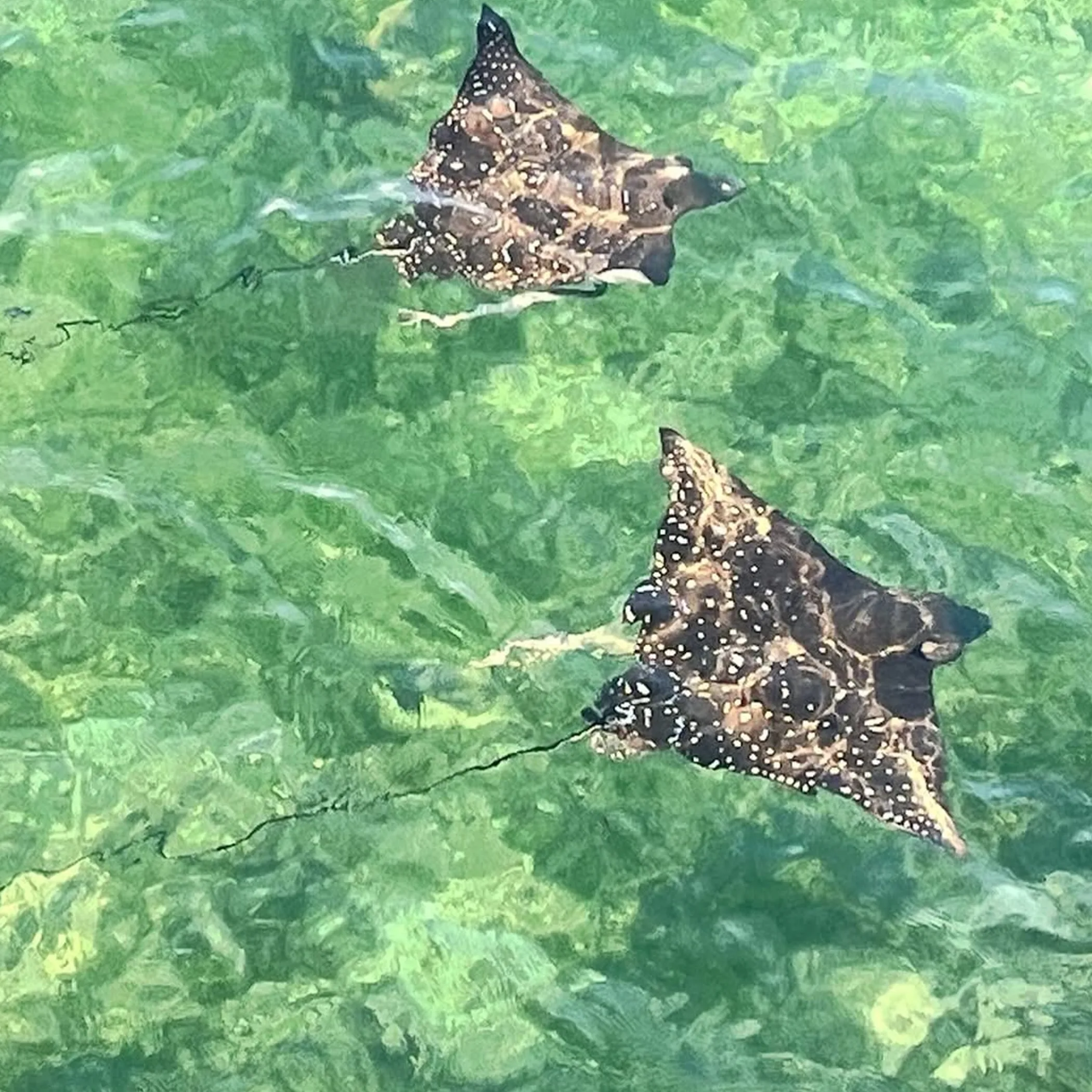
One day only and you want to be safe? Make of an outer platform trip your first port of call for the variety of viewing. Should the weather get rough as guts or an activity leave you wanting, you have other things to fall back on.
Do not be like others and think any old reef tour will do for a non-swimmer. Some are little more than a token boat ride tacked onto a snorkelling expedition. Then there are the ones put together for the family and older set who would prefer to be steady underfoot and not have their face wet.
| Experience | Best For | Typical Departure | Water Contact | Rough Cost Expectation |
| Outer reef pontoon tour | First-timers after options | Cairns, Port Douglas | Optional | AUD 280-450 per adult |
| Glass bottom boat tour | To see the coral and remain dry | Cairns, Green or Fitzroy Island | None | AUD 30-80 (included or add-on) |
| Semi-submersible reef tour | Underwater views without getting in | Cairns, Port Douglas, islands | None | AUD 40-90 or part of the package |
| Seawalker helmet | For non-swimmers happy to be in the water | Green Island and a few reef sites | Yes | AUD 180-250+ |
| Scenic flight | Big aerials, no swimming | Cairns, Hamilton Island, Port Douglas | None | AUD 250-700+ |
| Island day trip | A mixed bag of travellers, easy going | Cairns | Optional | AUD 110-220+ for the ferry |
Tours out of Cairns offer the most to choose from. Those from Port Douglas have a certain appeal for people further north who like a resort town with a bit of polish to it. Hamilton Island is fine for a Whitsundays combo or a flight but hardly practical for a straightforward mainland reef day.
Opt for the Outer Reef Platforms
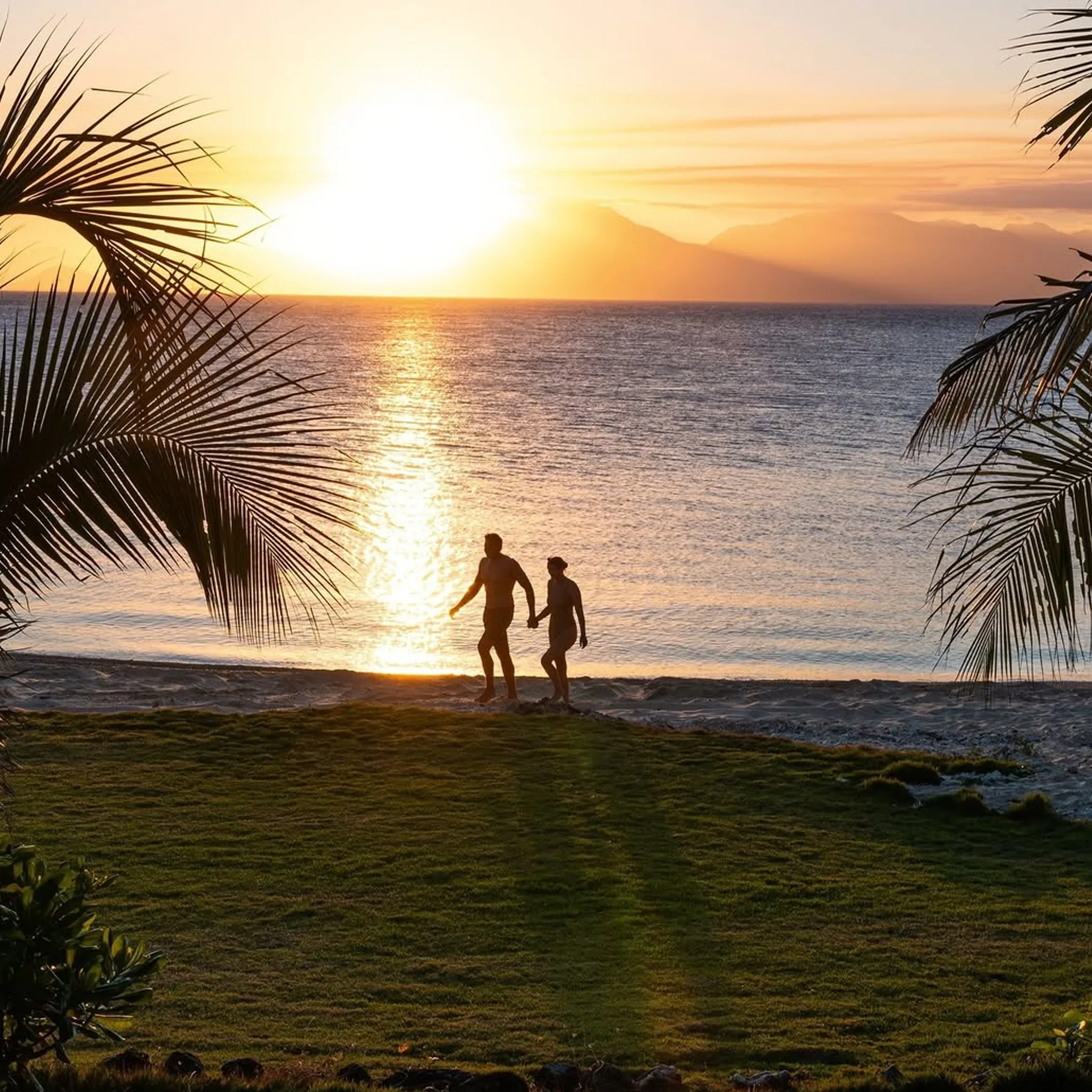
This is the all-round solution for the non-swimmer. A pontoon tour on the outer reef provides a moored base over the reef and you can partake in some low effort pursuits with no need to snorkel.
I would say this is for the type of person who appreciates having a choice. Have a cuppa in the shade and look on while others jump in, put in an appearance at a marine biologist talk or go for a ride in the semi sub and you will have had the reef in a real way, not just motored by it.
The Pontoon Day in Reality
You will find operators like Quicksilver Cruises and Sunlover Reef Cruises running these. An early morning start at the marina is normal and then it is 60 to 90 minutes to the reef, vessel and conditions permitting. A catamaran of the wavepiercer kind will make the journey less uncomfortable but do not mistake it for a magic trick if seasickness is an issue; take your tablets before you are green around the gills.
There is usually a dry-viewing option of some sort at the outer reef pontoons, be it a chamber underwater, some fish-feeding with commentary or a glass-bottom boat excursion. There is boom netting to be had on the transfer vessel from some of the platforms, but you will get wet and it is not to every one’s taste.
Then there is the matter of expectation versus reality. The pontoon is a no-nonsense affair, more in the way of a floating base camp than a place of glamour. Yet that is precisely what makes it suitable for non-swimmers or a family reef tour.
Who it is for
First-timers will find this ideal, as will mixed parties with some snorkellers and some who are not inclined to. It is for the traveller who has no wish to make his own arrangements for lunch, shade, toilets or timing. In terms of accessibility it is hard to beat, although the precise arrangements are at the operator’s and the tide’s discretion; put in a call to the company to enquire about any assistance with boarding or railings.
For those with an aversion to boats or a tendency to be put out by the swell, or who are after the least expensive day out, it may not be the right choice. Outer reef excursions are pricier on account of the infrastructure and distance involved, but they tend to be good value if you want to see the coral as it should be seen.
Glass bottom viewing
A means of relaxing and having a good time without being in the water. You can put aside any worries over your mask and fins and whether a fish is sizing you up and just look through the window. I would say this is the most underappreciated of options. A semi-submersible or glass bottom boat of a certain calibre will put coral gardens and schools of fish before you with none of the faff, the saltwater in your mouth or the business of getting sunscreen in your eyes.
The ins and outs of a glass bottom boat
As a rule the tour is a shorter loop round the edge of an island reef or near the pontoon. Your guide will tell you what is what and break down the reef structure, a help when you can do little more than spot “the stripy one” or a yellow fish. On Green Island and with some packaged trips the ride is an option or even included.
Do not let light and clarity fool you though. Visibility will suffer in choppy conditions. A midday outing will be better than one in the early hours or under heavy cloud, but the weather is the ultimate arbiter.
Semi-submersibles
Here you are put in an enclosed or air-conditioned chamber below the waterline while the rest of the vessel is afloat. The larger windows and side-on angle afford a more immersive perspective than the glass-bottom type. They are popular with Cairns operators for non swimmers as they are part boat ride, part underwater. With older parents or children who are not at ease on an open deck the semi-sub is a safe bet, and when the sun is bright and causing glare on the standard windows it comes in useful.
Observatories on shore
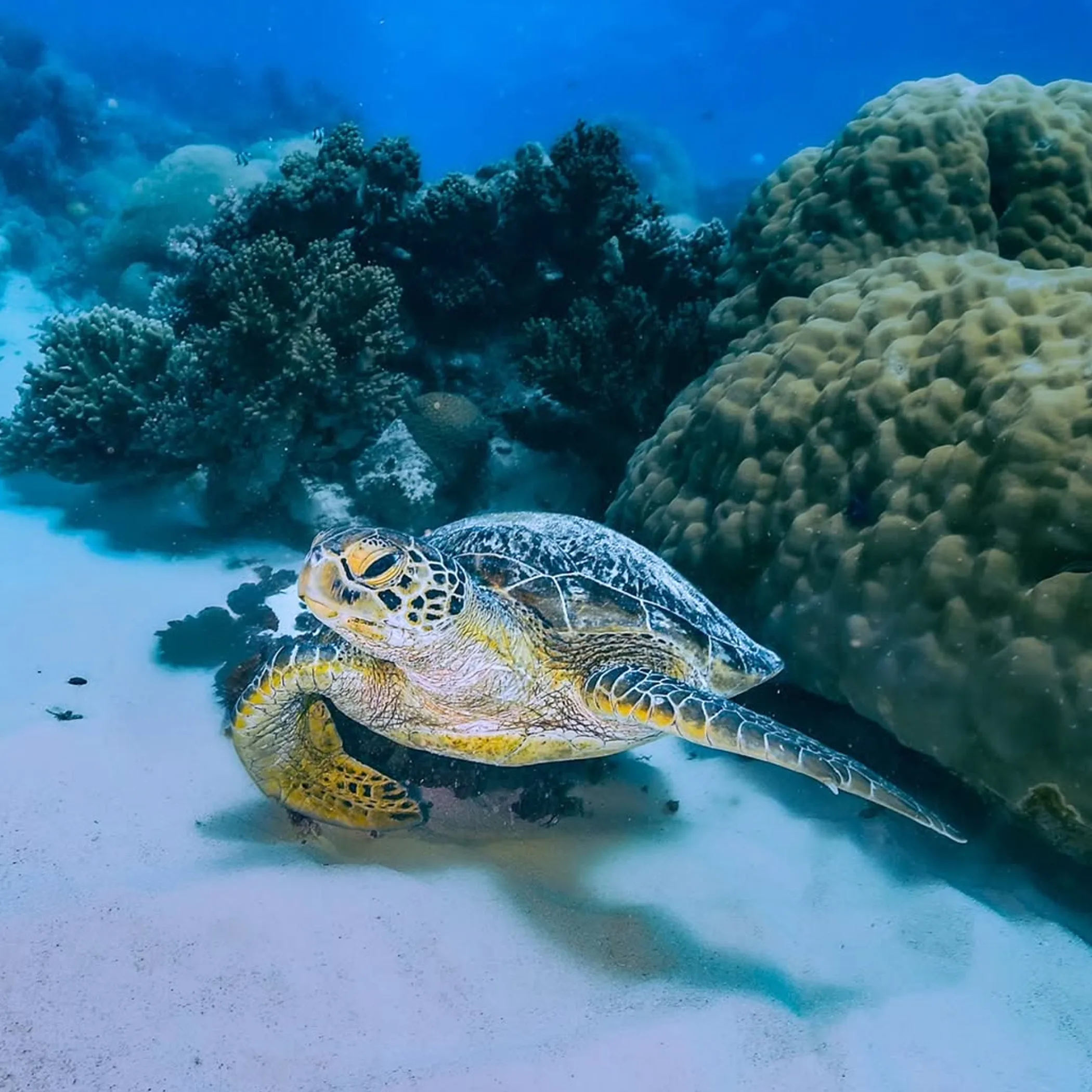
You will come across fish-feeding presentations or submerged viewing rooms on some islands and reef trips. Not everywhere has them so seek them out for a day of little physical exertion. They may read as a touch touristy and some are, but it is a simple matter to be close to reef life without having to lower yourself into the sea or hold your balance on a heaving deck.
What one sees
In a Great Barrier Reef observatory you are afforded a chance to watch the fish and have the ecosystem explained by the guides. You are not going to cover much ground but you get a better idea of what is going on in the reef than those making a splash above it.
As for the fish-feeding shows, opinions will be divided. One set of visitors are all for the swirl of marine life it puts in front of them, another thinks it is contrived. I am of the mind that if you have limited mobility or young ones who require instant gratification they have their uses, but I would not go looking for a tour on that basis.
Seawalker and helmet diving
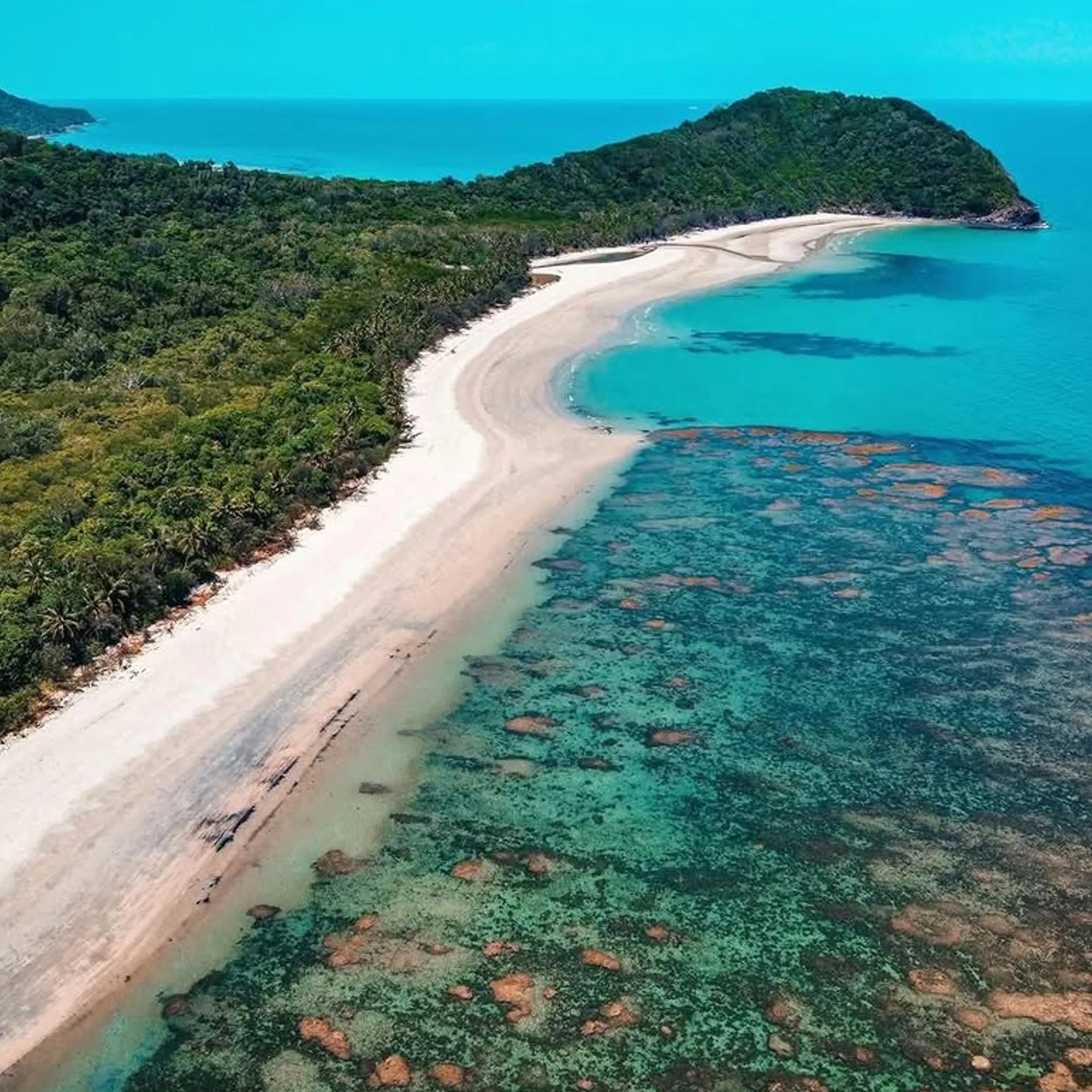
For a more hands on experience than a boat window yet still no snorkelling, have a look at a Seawalker helmet. It is something of a halfway house. You are in the water but the air fed to the helmet keeps your face dry which, for the nervous type, is everything.
Some of the better reef locations put on Seawalker helmet diving, and with certain packages you can do it at Green Island. With a member of staff to see you down the ladder or off the platform, you are able to put in a slow walk on the sea floor or along a path as the fish go about their business. There is no call for any swimming prowess, but you must be at ease with the pressure, heeding instructions and negotiating ladders.
Do not make the mistake of thinking it is all hard work free. Granted, it is less of an undertaking than snorkelling for one who does not swim, yet you are in open water with equipment to contend with. Those prone to claustrophobia, who have trouble with ear pressure or are likely to panic in new surroundings would be better off with a semi-submersible.
Take To The Air
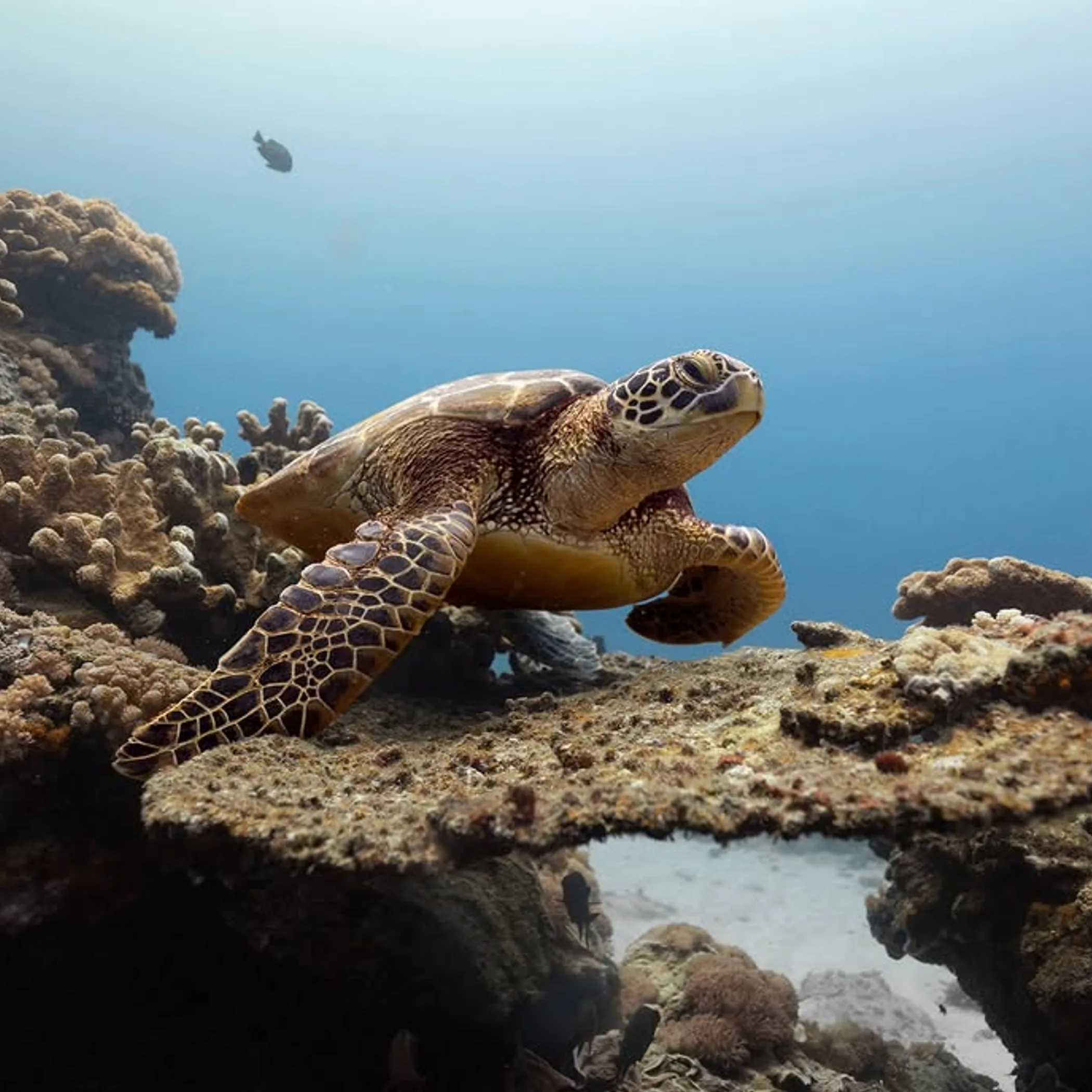
For a day on the reef without the splashing and with as much scale as possible, put in a booking for a flight. On a Great Barrier Reef scenic flight you will appreciate the colour and patterns and how the reef puts in its spread across the water, something boat passengers often miss. It has a way of leaving you in an uncharacteristic silence for ten minutes once you have put down. And while it is not cheap, a seaplane or helicopter tour is a sensible outlay if a long boat trip is not to your liking or mobility is an issue.
Helicopter Or Seaplane
Where you are determines your options. In the Cairns and Port Douglas area you will find these as add-ons to a cruise or in their own right. Hamilton Island flights will give you the Whitsundays and the reef in one go, the coral and those well known swirling sands from up high.
Then there is the matter of the weather; a change in conditions and your flight is delayed or called off. You are also sacrificing close encounters with the fish for the view. Should your finances permit, make it a shorter flight and an island or pontoon day to have the best of both.
Pick The Right Island
Travellers not wanting to put in a full day on the outer reef will find an island day trip the least taxing. A ferry is straightforward, the return is fixed and you can have a drink under a tree rather than being tied to a marine schedule from first light to mid-afternoon.
Adelaide Crowe would tell you that while islands are fine for easy logistics, the reef quality from the beach is not to be found on all of them. Book for a good day with some reef on offer, not to stand in for the real thing.
Green Island Non-Swimmer Days
Proximity to Cairns and the ease of making arrangements make for popular non-swimmer days on Green Island. Great Adventures has regular transfers and you can put a glass-bottom boat or Seawalker on top of your package. It is what you want for a family outing or if facilities and a bit of sand between your toes are in order.
Make no mistake, it gets busy on a fine day in peak season, so do not go there in search of solitude. But for convenience and having options that do not involve the water, it is the way to go.
Fitzroy Island And Other Alternatives
From Cairns Fitzroy Island is an uncomplicated excursion for those who prefer a more leisurely pace and short walks. The reef viewing will depend on what is in the package and the state of the sea for the beach, but it is a sound option for a day out that is not solely about the reef.
Further north in Port Douglas the non-swimmer tours will take you to the outer reef where the coral is better than you will find on an island beach. For depth of experience the outer reef is superior, but if you put a premium on convenience the islands have the edge.
Plan The Day Properly
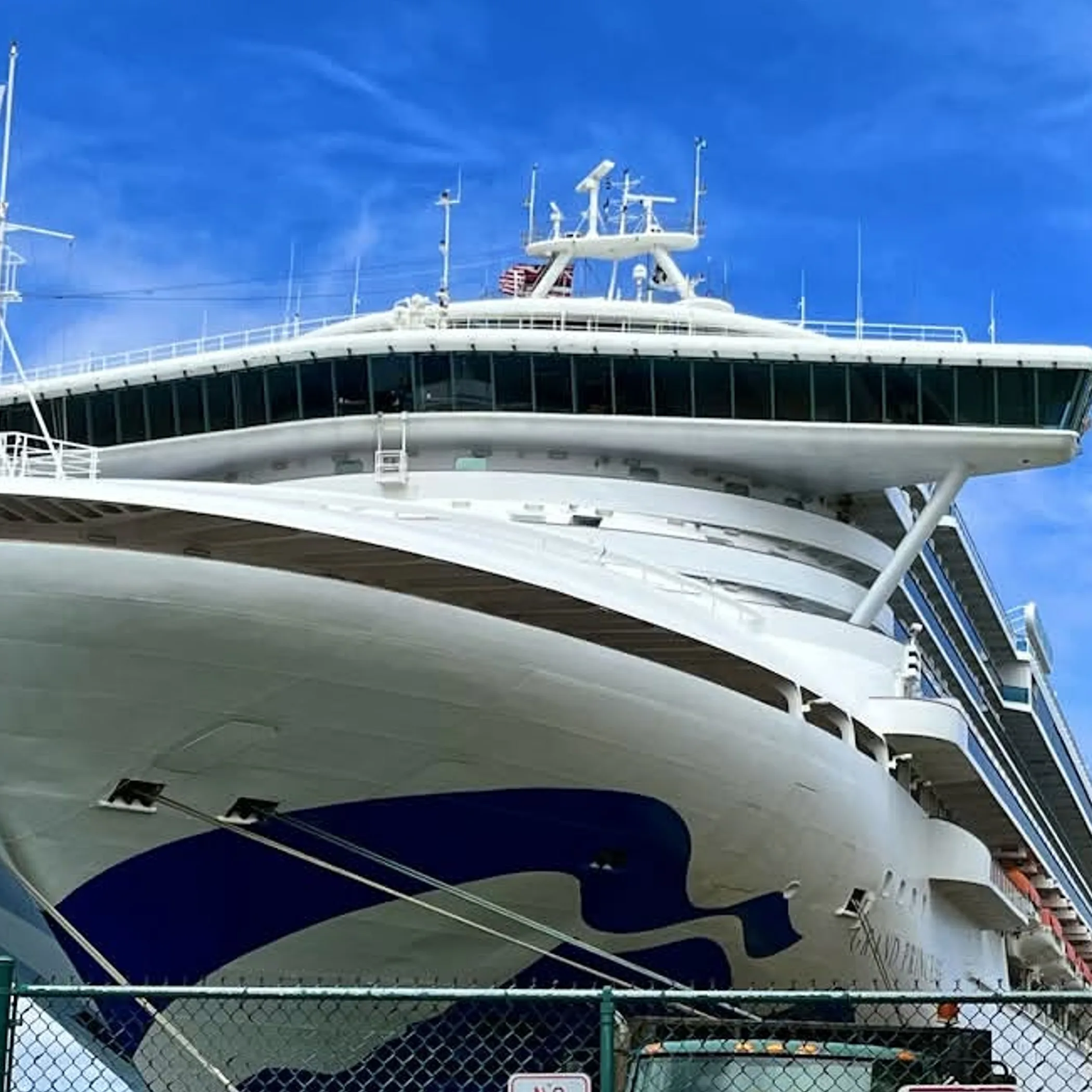
Booking is only part of it. You have to get the season, the departure and the timing right or the whole day could be undone before morning tea. Do not expect the Queensland weather to suit your plans. Wind, rain and swell will have their say and the non-swimmer is left to feel the rough seas without the recourse of a dip to pass the time.
Best Departure Points
You cannot go past Cairns for choice. It is the base with the most to offer by way of aerial, island and outer reef products, as well as marina access and hotel transfers. If you are in a hire car, do not try and skid into the marinas at the last minute hat askew; parking is at a premium and you will be paying for it. For the traveller in the far north, Port Douglas is an apt choice to sidestep a lengthy transfer back to Cairns. One will find fewer options than in Cairns by and large, but the tours are of a less hurried nature on land. Then there is Hamilton Island, ideal for an aerial or more upmarket affair when you are puttering about the Whitsundays on holiday.
Costs, Season And Safety
If you have no intention of swimming, a ferry package to Green or Fitzroy Island with a viewing activity thrown in is typically the most economical way to see the reef. You will pay more for an outer reef pontoon excursion, but it affords a more thorough access to the reef. Be sure to ascertain what is part of the deal before you book; optional extras, levies for the marine park and food can mount quickly.
Do not be taken in by the better photos, the weather is of some consequence. A day with wind brings rougher crossings and poorer visibility below the surface. In the wetter months a bit of rain may not put paid to your day but the swell and cloud can be uncomfortable. Queensland operators in stinger season will have their protective measures and set aside areas for swimming where they should, yet for those who do not swim a dry-viewing tour is the easier option.
Make it a point to consult the Bureau Of Meteorology marine forecasts for Queensland waters ahead of time. It is one of the rare pre-trip checks that has the potential to save your day as opposed to just clogging up your browser tabs.
- Should you be short of time and have only a day, an outer reef pontoon from Cairns is the answer if seeing the reef is paramount; otherwise opt for the simplicity of Green Island.
- To view the coral without any bother, go for the semi-submersible or glass-bottom.
- The Seawalker is out of the question for a beginner who is claustrophobic or prone to panicking in open water or has trouble with steps.
- What to have on hand: a hat, some water and dry clothes, reef-safe sun protection, seasickness tablets and a measure of patience the weather app does not warrant.
Know The Common Traps
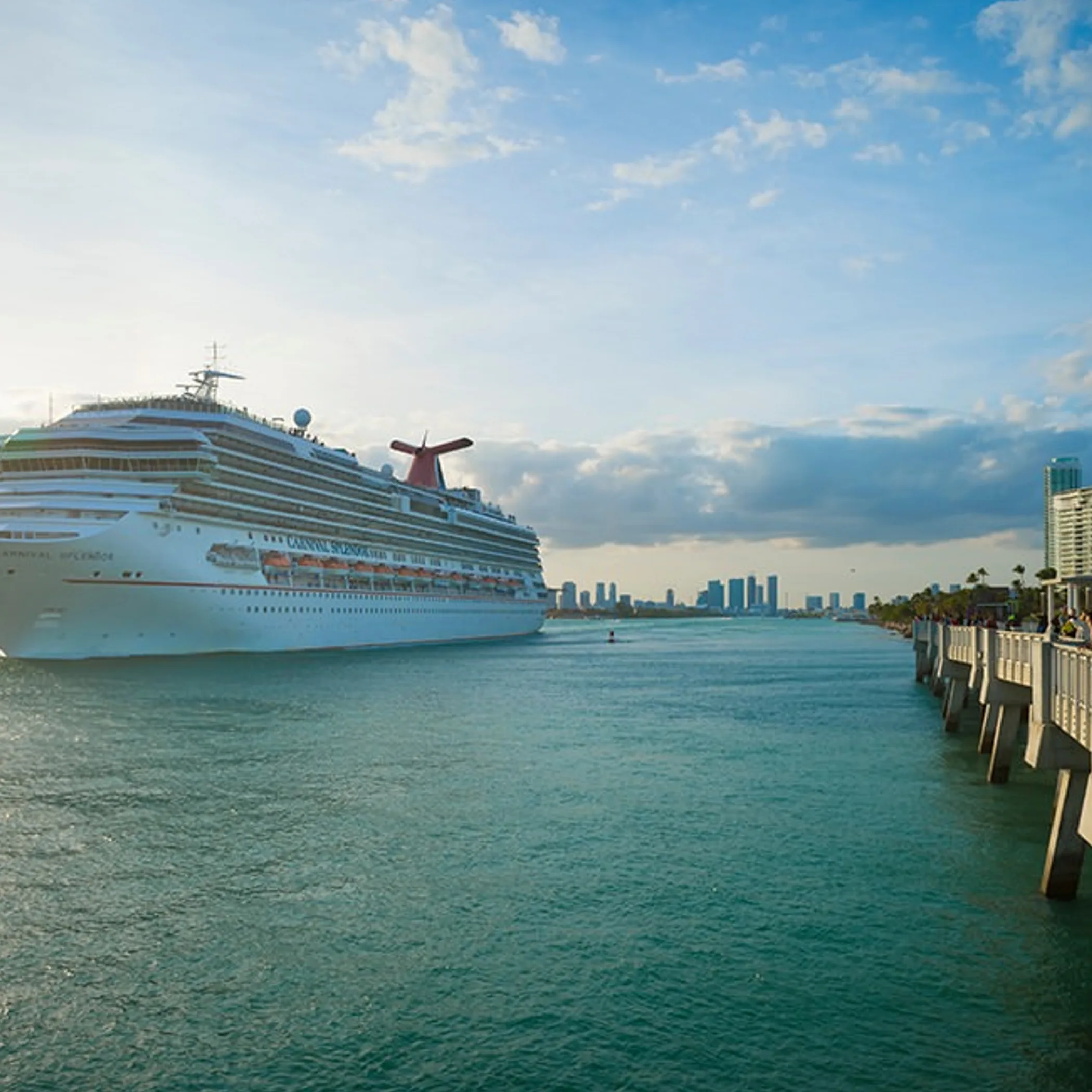
You will come across the same reef errors time and again. Foremost is to book on the basis of price and discover your “reef tour” amounts to little more than transit with scant viewing unless you snorkel. Another is to make light of sea sickness; plenty of sensible adults do until they are put in a boat and end up like sardines full of regret. Do not think being a non-swimmer exempts you from the demands of ladders, gangways and a moving vessel.
- Inquire as to what non-swimmer activities are covered and which are at an extra cost.
- Verify the transfer time from your lodgings to the marina, not merely the length of the cruise.
- And if you need wheelchair access or help with boarding, get the operator to confirm the details.
- Put off neither your plans for the weather nor for seasickness to the morning you are due to leave.
- Choose outer reef for the strongest coral experience; choose islands for ease and flexibility.
FAQ For Cautious Travellers
The sort of thing I hear from folks wanting to enjoy the reef sans the stress of a snorkel. The short of it is you have options, the best being a matter of whether you put a premium on comfort, price, simplicity or the quality of the coral.
Can I Go On A Great Barrier Reef Tour Without Snorkeling?
There are many tours for the non-snorkeller, particularly the scenic flights and the day trips to the islands with their glass-bottom or semi-submersible offerings, or the outer reef pontoons. Book something with proper dry-viewing rather than an itinerary weighted towards snorkelling.
What Is The Most Affordable Way To Visit The Great Barrier Reef?
A ferry to Green or Fitzroy Island for the day with a viewing activity included is the usual cheapest route for a non-swimmer. Outer reef pontoon tours run to more but are good value if your aim is to see some coral.
Is Snorkeling Easy For Non-Swimmers?
Hardly ever. There are those who will do it under close watch with a flotation device but in anything choppy it is a trial for most. Better to take a glass bottom or Seawalker tour than to figure you will “have a go” at snorkelling when the time comes.
When Not To Visit The Great Barrier Reef?
Motion sensitive or in want of clear conditions? Steer clear of any day the marine forecast is rough or the winds are up. The wet season is fine in some respects but the cloud and rain can be a factor. Pay attention to the forecast of the moment instead of some generalised seasonal notion.
Cairns Or Port Douglas: Which Base Is Better For Non-Swimmers?
For a greater selection of tours, one would do well to look at Cairns; it is where you will find the options for island ferries, outer reef packages and reef tours made for those who do not swim. Then there is Port Douglas, which has the advantage of a more convenient local departure for anyone put up in the area. Quicksilver Cruises is perhaps the most recognised when it comes to getting non-swimmers onto the reef.
A word on your day out on the reef
Do not think of “the reef” as some kind of catch-all excursion. Tailor it to what you are comfortable with. If you are after all the dry, low exertion choices an outer reef platform can put on offer, that is the way to go. Easier trippers will be better served by Green or Fitzroy Island. A scenic flight is for those desiring the best vantage point and no water at all.
Were I to put in a booking for a friend tomorrow my advice would be: put aside any notion of paying for a snorkelling trip and making do. Make the reservation for the reef day that is right for you. You will have the fish and the coral and good memories to show for it, without the sort of fluster that makes a holiday feel like work.
