Put simply, the dry season for much of tropical northern Australia is from May through October. The monsoonal rains have abated, there is less humidity, roads are open and getting around is no trouble at all. This holds true for the Top End, a good part of the Kimberley and some of north Queensland’s tropics, but first time visitors would do well to remember that regional weather patterns can be more pronounced than they think.
So when does the dry season come to northern Australia? In brief, it is the cooler, drier half of the year in the north, if one can call it “cooler”. Ask Adelaide Crowe and he will describe it as the time for clear blue skies and dusty boots, when the caravan parks are at capacity and you can make an effort to stand still outside without your shirt feeling like it has something against you.
The Simple Answer
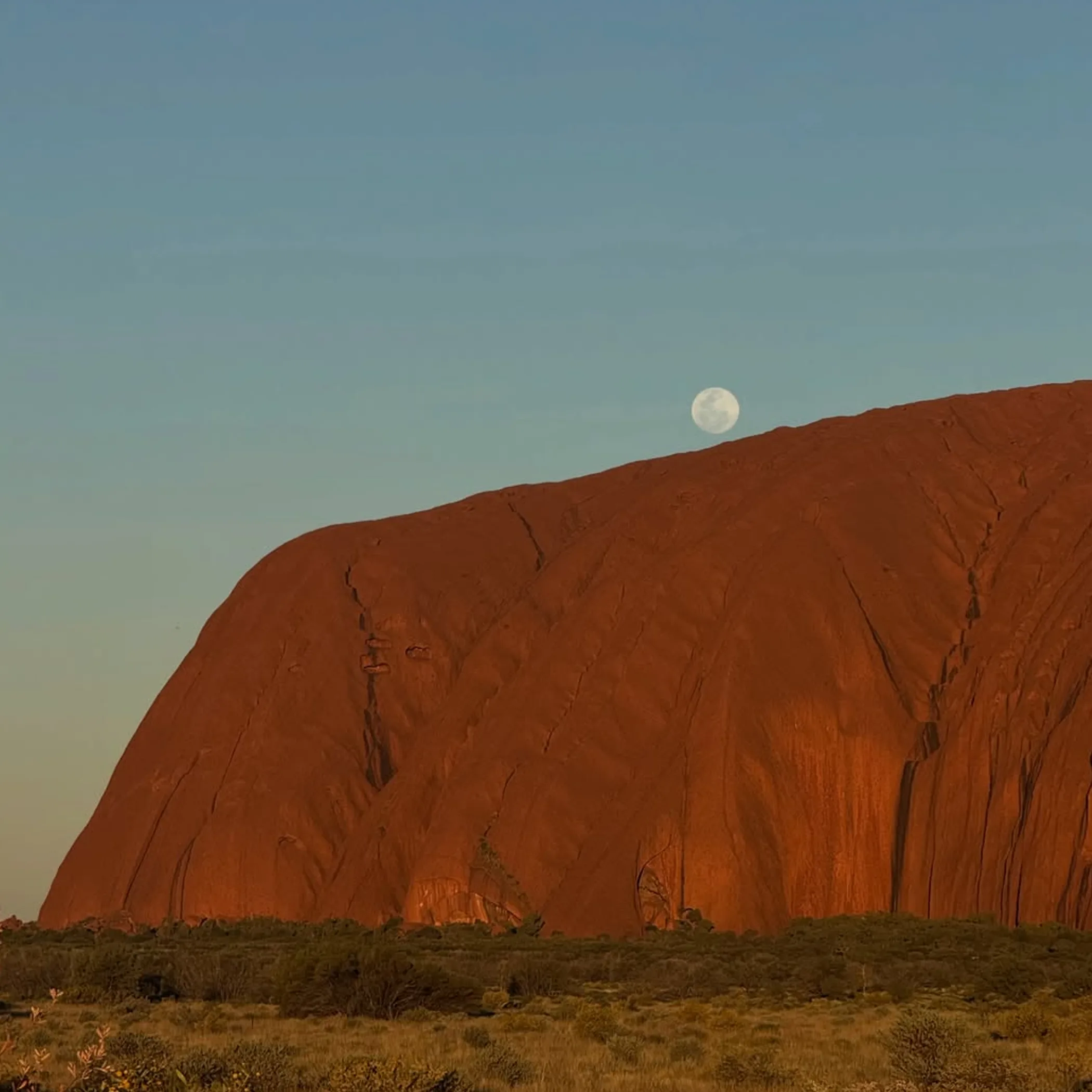
There is more to the dry than an absence of rain; it dictates the daily rhythm of northern Australia, be it river levels or the way the wildlife puts on a show. To plan a trip properly is to know the months of the dry season, which will spare you the expense and the odd word muttered at a gate that is not opening.
In a general sense the dry season in the Northern Territory, the Kimberley or the tropics of the north are all part of the wet and dry cycle the Australian tropical belt is famous for. The change is a practical one: with the floodwaters gone and national parks more within reach, you can contemplate a long tour with some confidence.
How the Dry Puts In an Appearance
May to October is the norm but the precise timing is subject to the region and the year. A late downpour or an early storm will alter the state of the roads in short order so the locals are apt to watch the sky and any closure notices with equal attention. Some may take “May to October” as their word for it, but it is a seasonal guide to be relied upon, not a concrete promise.
A Matter of Timing
Darwin and the rest of the Top End see the most agreeable weather from about May once the wet is behind them, with June to August being particularly nice on account of the lower humidity and cool nights. By September and October things get hot and dry before the next wet builds up.
Down in the Kimberley you will find better access to the gorges and roads in late autumn and early winter, provided the wet was not too punishing. On the coast at Cairns and in the surrounding parts of north Queensland the dry is still the least rainy time, yet this side of things remains a touch greener and more humid than what you will find further inland or to the west.
| Region | Typical Dry Months | Where you will notice the difference | Traveller misconceptions |
| Darwin / Top End | May – October | Reopened roads, lower humidity, evenings are easier | That every swimming hole is available right after the wet |
| Kakadu National Park | From May, reopening in stages | 4WD and tracks become available in due course | All sites are going to be open |
| Kimberley | Say May to September/October | The Gibb River Road and gorges are more of an option | Not allowing for corrugations and the time it takes to drive |
| Cairns / Daintree Rainforest | For the most part May to October | You will have better weather for touring | “Dry” is taken to mean rain free |
Weather Conditions
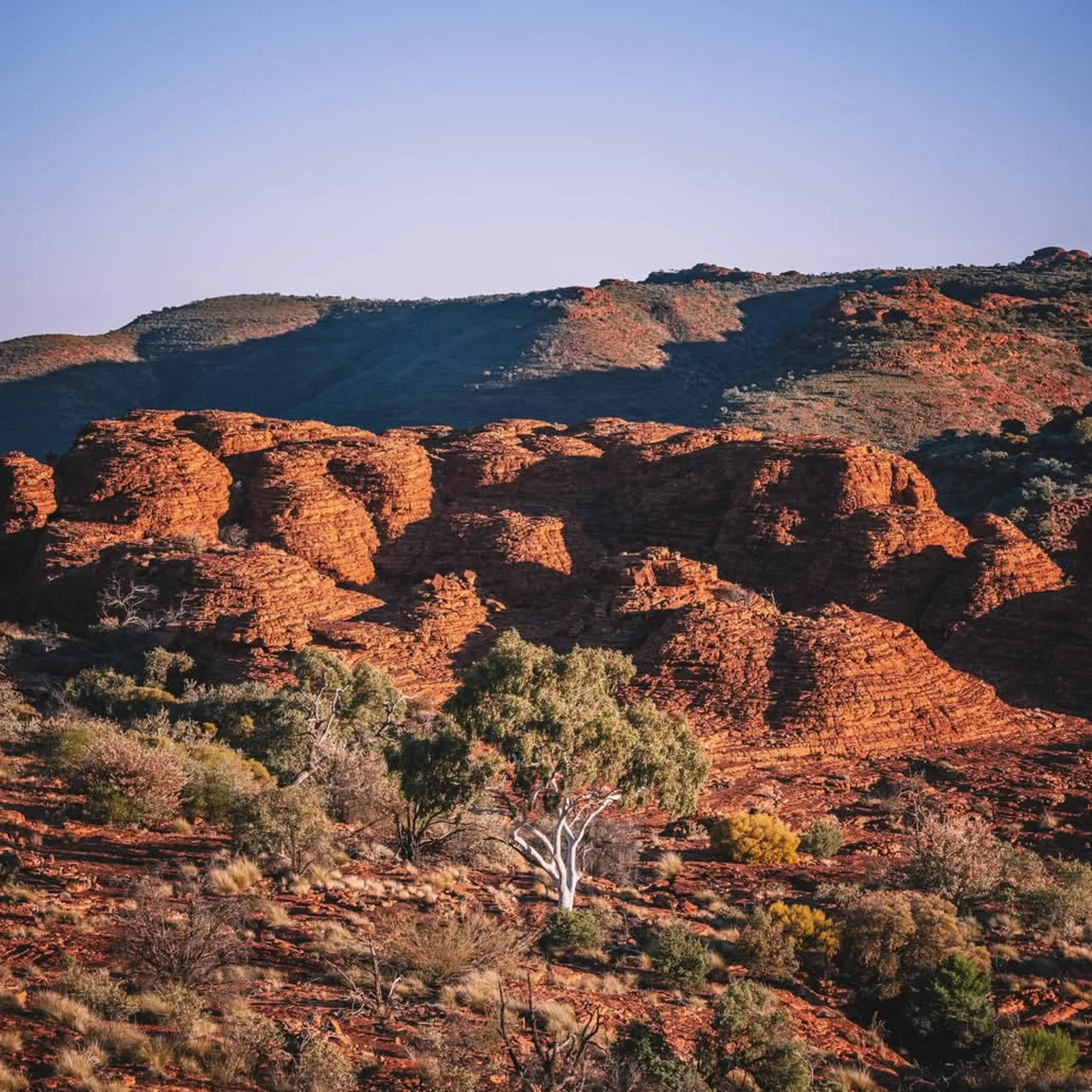
You will find the dry season in northern Australia to be more stable with less rain and humidity than the wet, but do not mistake that for cold, or even mild in the middle of the day.
What is often a surprise is how much more tolerable it is than the wet, heat notwithstanding. You still need water and shade and a hat unless you are keen on sunburn.
Cooler Nights
In Darwin and elsewhere in the north, the dry means days of sun and air that is not so sticky, and nights where sleep comes easily. Should you be camping in the higher ground or inland, the evening chill can be quite crisp by these parts’ standards. There is the matter of my first real dry-season road trip to the Top End, once the humidity had run its course in the north of South Australia. What was striking was not so much the coolness as the fact I could have a coffee in the open of a morning and not feel as though a warm, damp towel was about me. A small victory.
Expectation Vs Reality
One would think the dry spells guarantee perfect weather. In truth it is better for getting around, but you will still have your share of dust, heat spikes, smoke from a bushfire or prescribed burn, and sites that are anything but tranquil.
Then there is the notion of empty outback roads and quiet camps. Not so in many northern parts at peak touring time. The choice spots, particularly in and around Darwin, the Kimberley and Kakadu National Park, get taken up early.
Where The Dry Makes a Difference

“Dry season” is a wide term for northern Australia but it is of most import in the tropics. The contrast between wet and dry is at its most pronounced in the Top End, tropical north Queensland, the Northern Territory’s tropical north and over in northern Western Australia. Adelaide Crowe would be the first to put it to you in regional terms, not states. The distances are what they are and conditions differ; a given month has a different feel in Cairns than it does in the Kimberley or Darwin.
Top End And Darwin
Classic wet-and-dry country like the Top End and its major parks including Kakadu National Park. There are the monsoonal downpours for part of the year and then an extended period of drier, more dependable weather to make camping and fishing a pleasure and give you access to waterfalls, lookouts and cultural sites with less trouble.
Kimberley And Gibb Country
In the Kimberley the seasons dictate what is accessible. “Open” is not synonymous with “easy”, as I found on my first May crossing of the Gibb. The corrugations can be punishing, you are put off by some distance between fuel and your average speed is likely to be well under the optimistic figure the map puts before you.
It is a place for the self-driver who is patient and has no qualms about being remote. Should you have an aversion to dust or the odd tyre problem, a sealed-road itinerary will suit you better.
Tropical North Queensland
Cairns and the Daintree Rainforest have their dry time too, if the coastal humidity lingers a bit more than one might anticipate. All the same, for a drive not hampered by heavy rain or to put in a day on the reef, it is the time to do it.
What Is Behind It
The reason for the dry is that this part of the continent is in a tropical climate system at the mercy of the monsoon. Put simply, the seasonal migration of the systems that bring rain will either soak or spare the tropical north. An understanding of the basics is helpful in putting a holiday together, if only to account for why the roads are reduced to soup in one half of the year and in the other are as flat and dusty as a pancake. No meteorology degree required.
Monsoon And ITCZ
You can attribute the wet to the Australian monsoon and the Intertropical Convergence Zone (ITCZ). When the wet is upon us there is more in the way of tropical moisture and storms; in the dry those systems move on and you have stability. For anyone making plans to head north, the Bureau of Meteorology (BOM) has the outlooks and warnings you need. Better to consult the BOM than the forums for last year’s opinion when venting into the back of beyond.
Background Climate Drivers
Things like ENSO will have their say on the timing and force of the rains but the pattern holds. They may see to it the rains are done with earlier, or leave more moisture about, or make for a greater fire risk further along. Regional patterns are what count here, not the national headlines. To consider “Australia weather” a single entity is to start off on the wrong foot.
How The Country Transforms
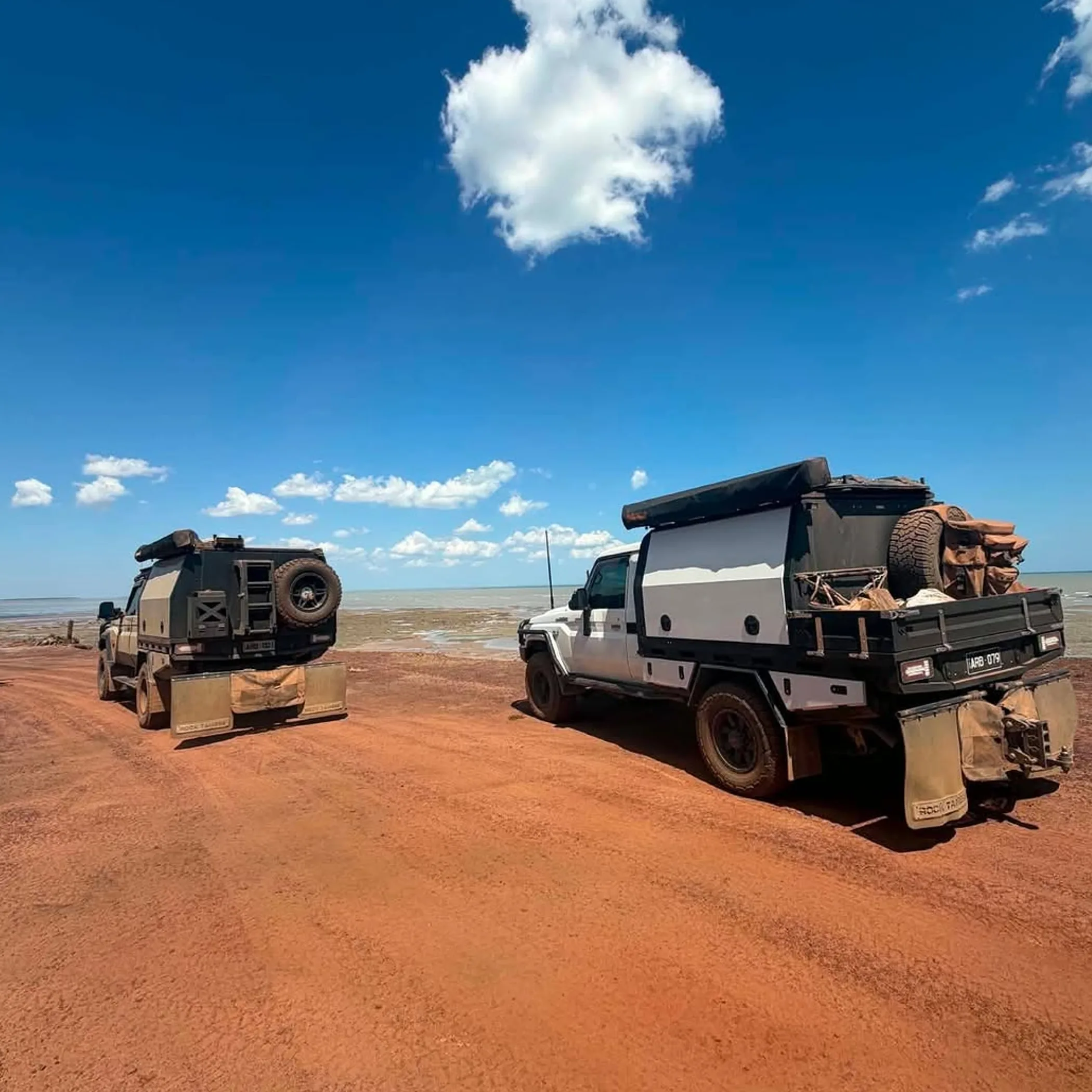
Rivers recede, the grass cures, wildlife makes for what water is left and you can put a track behind you that was no good in the wet. But it is not all that simple. Access is a matter of degrees. Parks Australia and the state agencies will be reopening walks, campgrounds and roads as and when they have made good any flood damage.
Water, Fire, And Wildlife
With the floodwaters gone, one can more readily get to and put in a view of river systems, wetlands and billabongs. The birdlife is often very good and from the vantage of a cruise or some of the managed viewing areas, visitors will be better placed in the drier months to see saltwater crocodiles with all due safety.
Then again, as the dry season wears on, fire has to be factored in. Visibility and air quality may suffer from prescribed or wild fires, not to mention restrictions on park access; bushfire closures are by no means confined to the south.
The Dry: A Good Return On Your Travels
There is a reason this is what comes to mind for most when putting together a northern road trip. Tourism up north is robust in the dry because you have more dependable roads, campgrounds that are actually usable and outdoor pursuits are of a different comfort level altogether.
But there is a price to pay for such convenience. In well heeled areas prices go up, you will find the best caravan spots are taken before you like and tours book out.
Activities Worth Doing By Region
Darwin and the Top End are ideal in the dry for markets, a sunset cruise, waterfalls where you are allowed to swim and national park touring. For major sites in Kakadu National Park that are off limits or hard to get to in the wet, the dry is usually your best bet for cultural touring, birdwatching and getting about by road.
Key routes opening up makes station stays, 4WD touring, scenic flights and gorge walks in the Kimberley much more of a practical proposition. And in the Cairns and Daintree Rainforest area, you will have an easier time of it with longer drives, reef excursions and the rainforest boardwalks.
On Costs, Access And When To Go
You will see wide variation in cost from region to region but expect to put down more in the peak of the dry than in the shoulder times. A guided day tour in a high demand northern centre could be booked weeks in advance and accommodation will reflect that, while fuel out in the country is invariably more expensive than in town.
One day in the Top End is not enough for a heroic long loop; make it a clear outing from Darwin or a single national park area. Too many people look at a map on their phone and think they can cover great distances in a day. They are mistaken. This is northern Australia.
- Self-drivers, photographers, birders and campers will appreciate the lower humidity and the roads.
- Not so much for those who would rather not drive in the remote or are after a bargain in the peak season, or under the impression every track and swim spot is open for the taking.
Croc-Wise And Other Safety Matters
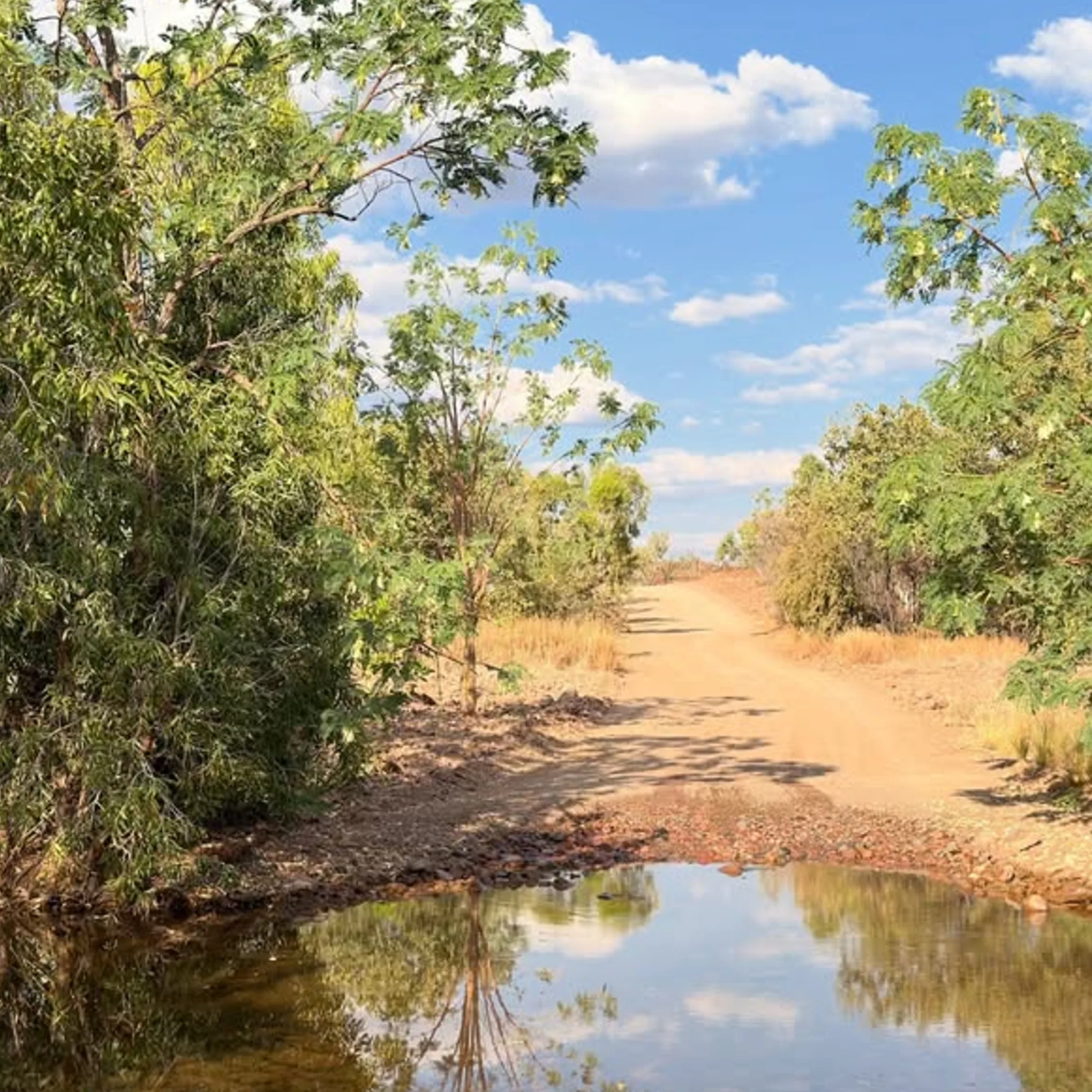
For all that the dry is preferable to the wet, do not be lulled into a false sense of security. Dehydration, the heat, rough going, smoke and marine hazards will have their toll. I am apt to see people regard the dry as a safety blanket. It does not make the remoteness any less than it is, just with nicer views.
Roads, Fires, And Fatigue
Take the Stuart Highway for instance. You can rely on the conditions in the dry but overconfidence is a bad thing to combine with the long straights, dawn wildlife and road trains. Fatigue is a greater peril than is often acknowledged.
Or the Gibb River Road, where timing has to be realistic. What seems a reasonable distance on paper is elongated by slow traffic, tyre checks, photo opportunities and creek crossings. Have a spare tyre to hand, plenty of fuel in reserve and water.
Stingers And Swimming
As for swimming, do not let “dry season” fool you into thinking the tropical coast is safe from stingers like the box jellyfish. Heed local counsel and stick to the stinger nets and officially safe waters. And crocs are not seasonal. A no swimming sign is just that. Freshwater and saltwater crocodile warnings apply all year.
- Be sure to check on park access and any forecasts or warnings before you set off and in the morning too.
- Put in some buffer when you are making up your plans for fuel, water and food; this is all the more so in the Kimberley or any part of the Northern Territory that is off the beaten track.
- Do not be driving at dusk or dawn when the wildlife is out, and make room for the road trains.
- And unless you have been told to the contrary by the authorities, consider any waterway without a sign as a place where you might find a croc.
- Then there is the matter of accommodation. In the height of the touring season, from June through August one should book the good ones well in advance.
Why The Dry Is Different Now
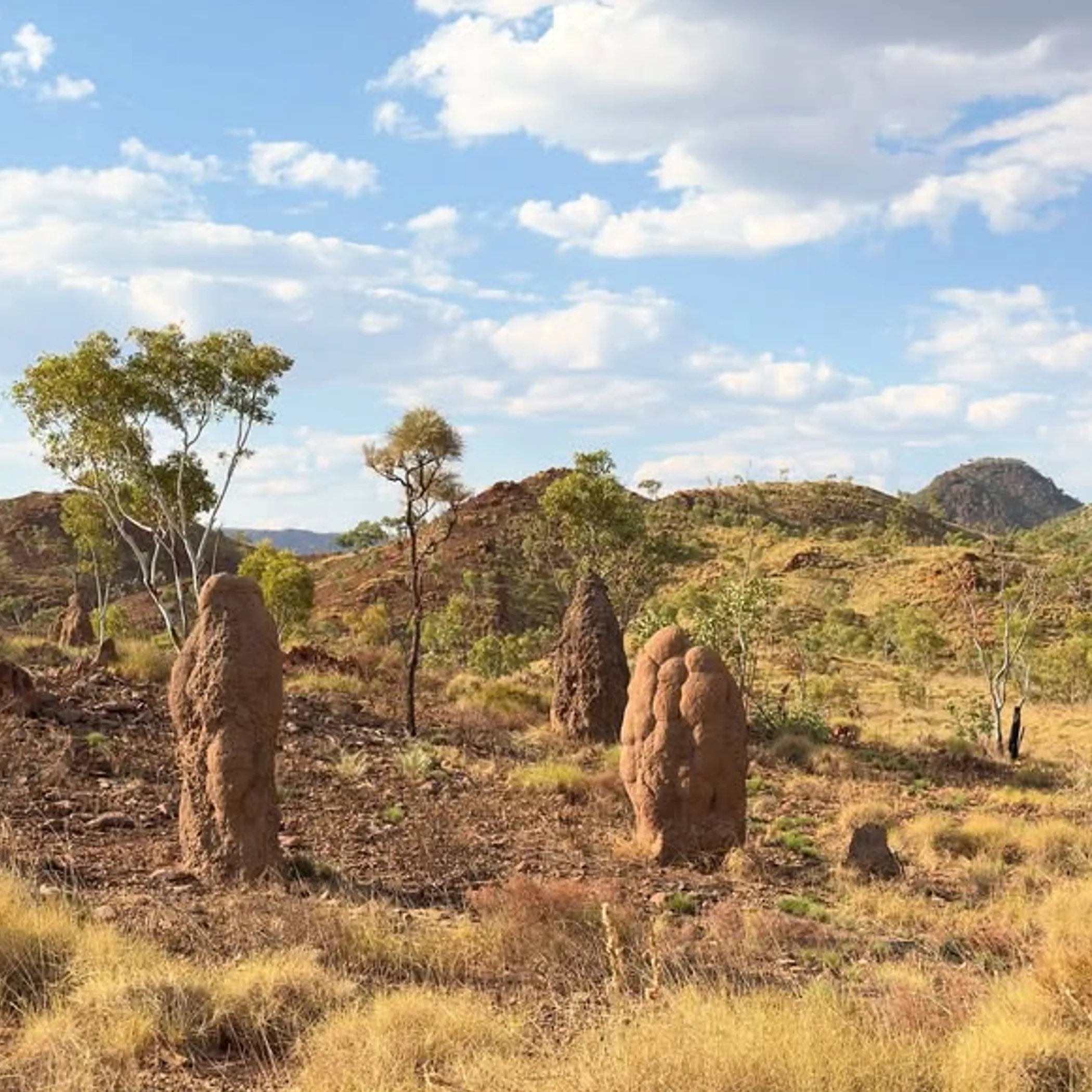
You will see the same broad wet-dry dynamic but do not assume the seasons will be as reliable as they once were. With climate change and variability at play, you can expect it to put its mark on everything from the monsoon’s comings and goings and fire risk to heat extremes and how long an area is open.
The message is straightforward: go by what you are hearing locally rather than old ideas. A track which has opened in June of yesteryear may not be open then now, and what was a mild shoulder month can run hotter.
What Travellers See
It is in the details that the changes show themselves, be it unseasonal heat, smoke, a changed waterfall or a reduced window for camping. Tour operators and those working in the parks are the first to register such things in the course of their daily business with safety and access.
In a sense, a proper explanation of dry season northern Australia is less of a weather lesson and more of one in planning.
Some Common Questions
When putting together a trip and wondering if the dry is right for them, or if the stories in the press about drought and climate are the whole of it (they are not), these are the questions that come up.
Will 2026 bring a drought to Australia?
There is no way to give a yes or no for the country as a whole ahead of time. One has to look at the region, at soil moisture and rainfall deficiencies and what official monitors say. For your own planning, the BOM and state agency outlooks are to be preferred over national speculation.
Australia’s silent killer?
Heat is so termed in outdoor safety circles since a person can be dehydrated and unwell before he knows it. The low humidity of the north will have you thinking you are not perspiring much while in fact you are drying out.
How does one define the dry season?
For the most part it is the drier months of the tropical north, May to October. You will find it of more consequence in Darwin, the Top End, the Kimberley or tropical north Queensland than in the south.
Is it the world’s driest country?
Australia is often put in that category of inhabited continents, yet not every corner is dry at all times. In the tropics of the north there is a swing from a very dry season to heavy rain in the wet, hence the importance of timing.
Best time to make a visit?
If you are new to the tropical north, the dry is the most practical option. Should you have no patience for crowds and full camps and prices to match, the fringes of the season are preferable, weather and access permitting.
A word from Adelaide
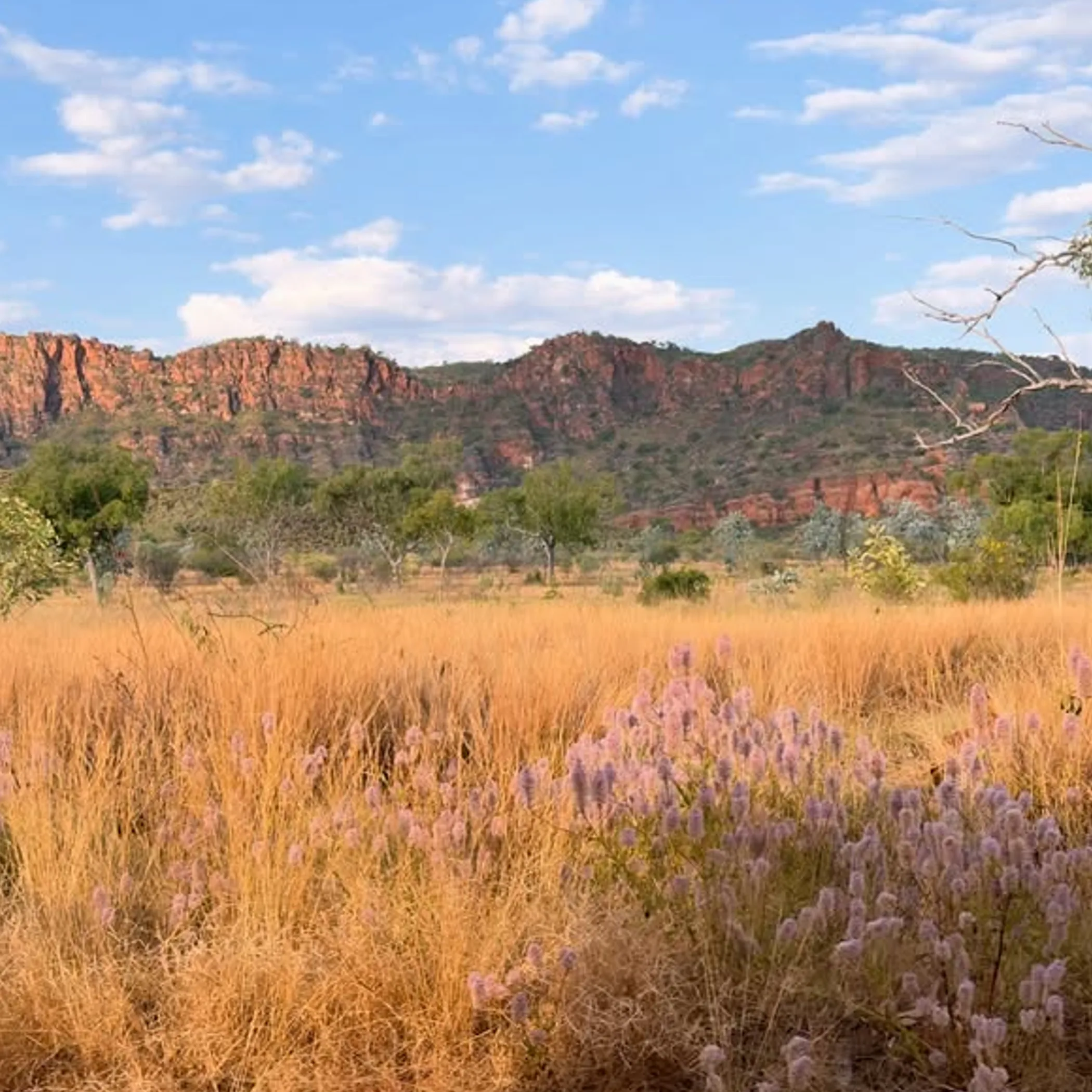
To get to grips with the dry season in the NT or the pattern in Darwin and the rest of the tropical north, look past the temperature. It is a question of comfort and access and the way the north reconfigures when the monsoonal rains recede.
With a plan that is realistic on distances and shows due respect for the heat and the road, and taking heed of park advice, the dry is fine for travelling. It will not be tidy or empty or as the brochures would have it. But it is practical and has its own beauty and, for those who want open roads and a decent night’s sleep, infinitely more enjoyable than the wet.
