There are three rules of thumb when it comes to visiting the country’s reefs: put your trust in a good operator, have regard for the conditions and remember the ocean is not a hotel pool. You can be off to the Great Barrier Reef or Ningaloo Reef, or a modest fringing reef along the coast; with the right mask and fins you still need to plan.
I am Adelaide Crowe. One has to learn from reef trips all over Australia that the water will present itself as calm and inviting before it puts you in your place. There is no call for fear in reef safety Australia, but one should be aware of what gets the better of people: the sun, dehydration, stingers, a current or the sort of quiet confidence that leads to poor judgement.
The case for reef safety
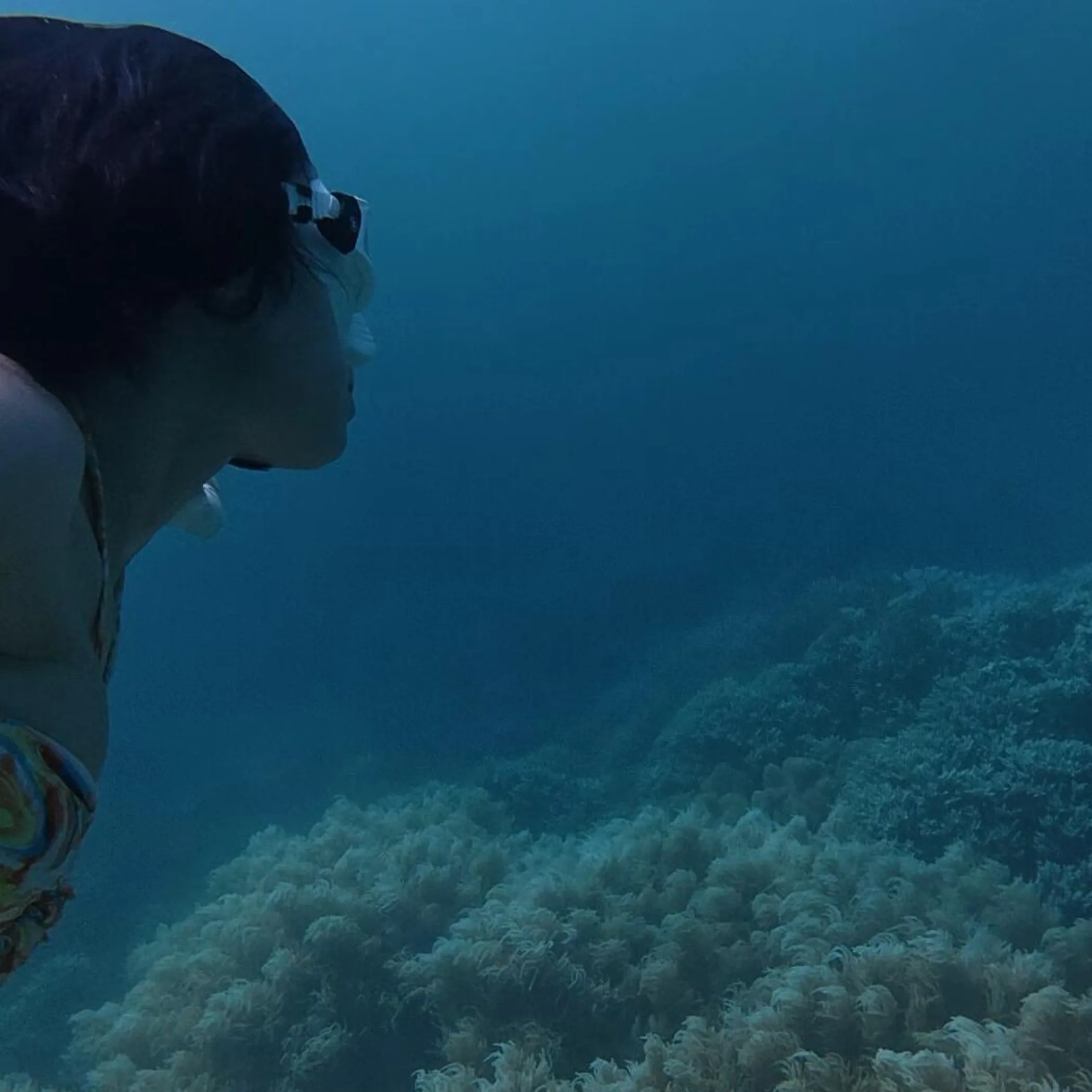
These are astonishing places but wild ones too. Underprepared or overconfident, you may find the very things that make for a good story become a risk. Or you are just too hot and fatigued to see what is happening. Do the sensible thing and plan your visit during the perfect WA reef window and you will have less to worry about and more time in the water. It spares you from being the one the rest of the boat has to wait on, which in itself is reason enough to plan ahead.
What tends to trip people up
The danger is not always as dramatic as you might think. More often it is mundane. A little chop saps your energy, forgoing breakfast brings on the nausea, and by mid-afternoon the sun has you suffering heat exhaustion. I have been on trips in the Whitsundays and Tropical North Queensland where I have seen folk fret over sharks and not realise they have had nothing to drink since morning.
Then there is the coral. You will see contact injuries because someone put his foot down or was drifting in too close to tend to a GoPro. “Look don’t touch” is plain speaking, yet for all that it is among the best safety tips for the Great Barrier Reef.
Some planning prior to boarding
A safe day is made the day before, not on the jetty with a dry bag and a flat white in hand. The season, timing and operator you go with will determine if you have a rough as guts experience or something brilliant. If you are limited to a day, do not overdo it. Make of a tour out of Exmouth, Coral Bay, Cairns or Port Douglas and leave yourself the energy to savour it.
On the subject of operators
Find one who is reef-friendly and has the proper marine permits, a qualified crew, first-aid on show and will tell you the truth about the weather. Any operator abiding by the rules of a protected marine park will be able to set out the day’s protocols for marine life and where you are to swim, and when you will want the stinger suit Australia crews put on you. With the Great Barrier Reef you would expect them to be well versed in GBRMPA guidance and the conditions at site. They will want to know if you can swim rather than merely pointing to the boat after checking your pass.
Seasons and the like
You will find safety is a matter of season. In the north the warmer months bring stingers and cyclones from November through April. Western Australia has its own weather windows to contend with; you can have a fine shoulder period at Ningaloo but the wind and swell will be the arbiter of what is safe. Before you put anything to bed, look at the forecasts and any marine warnings from the Bureau of Meteorology (Australian Bureau of Meteorology marine forecasts and warnings), they are the most reliable official source. Your ideal itinerary is secondary to the conditions.
Suitability
A guided snorkel is for the reasonably mobile type who can take instruction in open water without question. Not so much for those with medical issues that are not under control or anyone prone to panic in a bit of a chop or at depth.
But then again, do not rule out a reef trip. There are glass-bottom boats and pontoon excursions, or a lagoon snorkel with some flotation. Better than putting on a brave face and making a wobble 50 metres from the ladder.
Sun and heat
First-timers are often unprepared for how important it is to guard against the heat and the sun on a reef trip. The water will reflect the sun in ways your skin has not consented to and give you a roasting from all sides; do not think an overcast day is any guarantee against a good burn.
One does not have to be told this, I have been guilty of it on the coast of South Australia: a long day with an overcast sky and a cool breeze lulls you into a false sense of security and by nightfall you are as red as if you had been basted. Up on the northern reefs such complacency can see you dehydrated or suffering heat exhaustion in short order.
Hydration Beats Bravado
Do not wait for thirst to set in before you put some water away. The wind, the salt, being on the boat deck and in the water will take their toll. Should you be susceptible to seasickness, a light breakfast and steady sips of water are better than downing a bottle in a panic after lunch.
Then there is the matter of expectation and reality. A traveller may be thinking of a pleasant, breezy time on the water and not count on hours of exposure with scant shade from one swim to the next. On a self-managed excursion to a shore snorkelling spot, take more water than seems necessary.
Some Sun Protection
Where it is practical and allowed, go with an SPF that is reef-safe, yet sunscreen is not enough in itself. A rash vest of long-sleeved lycra, a hat with a wide brim for the boat, sunglasses and the odd break in the shade will serve you better than a hasty application in the marina car park.
And for the sake of the reef as much as yourself, do not slather on products and make straight for the water. Heed the directions and reapply as you have been in the water.
Wildlife And Stingers
There is no denying the marine life is part of what makes it special but it is not put there for your amusement. In Tropical North Queensland in particular you will find that sensible clothing, first aid know-how and an awareness of Irukandji and jellyfish safety is of real value.
It is not about putting fear in you, only to put risk in perspective. Trouble is apt to come of those who would have it a warning sign is for the faint of heart, or who forgo protective gear and local advice.
Stinger Risk
In parts of northern Australia stinger season means box jellyfish and the possibility of Irukandji syndrome. You will want to pay attention to the operator briefings and what is on the beach signage since conditions and the season dictate the risk. Dr Lisa-Ann Gershwin has done much in her public work to show Australians the underestimation of jellyfish risk is unwarranted.
When a crew puts forward a stinger suit some visitors from overseas will regard it as optional unless they are nervous. It is not for the timid, it is simply an easy form of prevention.
First Aid
Jellyfish first aid is a matter of species and place so let the trained staff and local emergency advice be your guide. You may find vinegar on hand for a suspected tropical box jellyfish sting on a tour or at a managed beach but treatment is not uniform. Do not resort to internet nonsense or some bush myth to see someone through their pain.
As for other wildlife, giant clams, rays, turtles, anything venomous or spiky or made uneasy by you, keep clear. Reef safety in Australia is as much about animal welfare as it is your own.
Coral
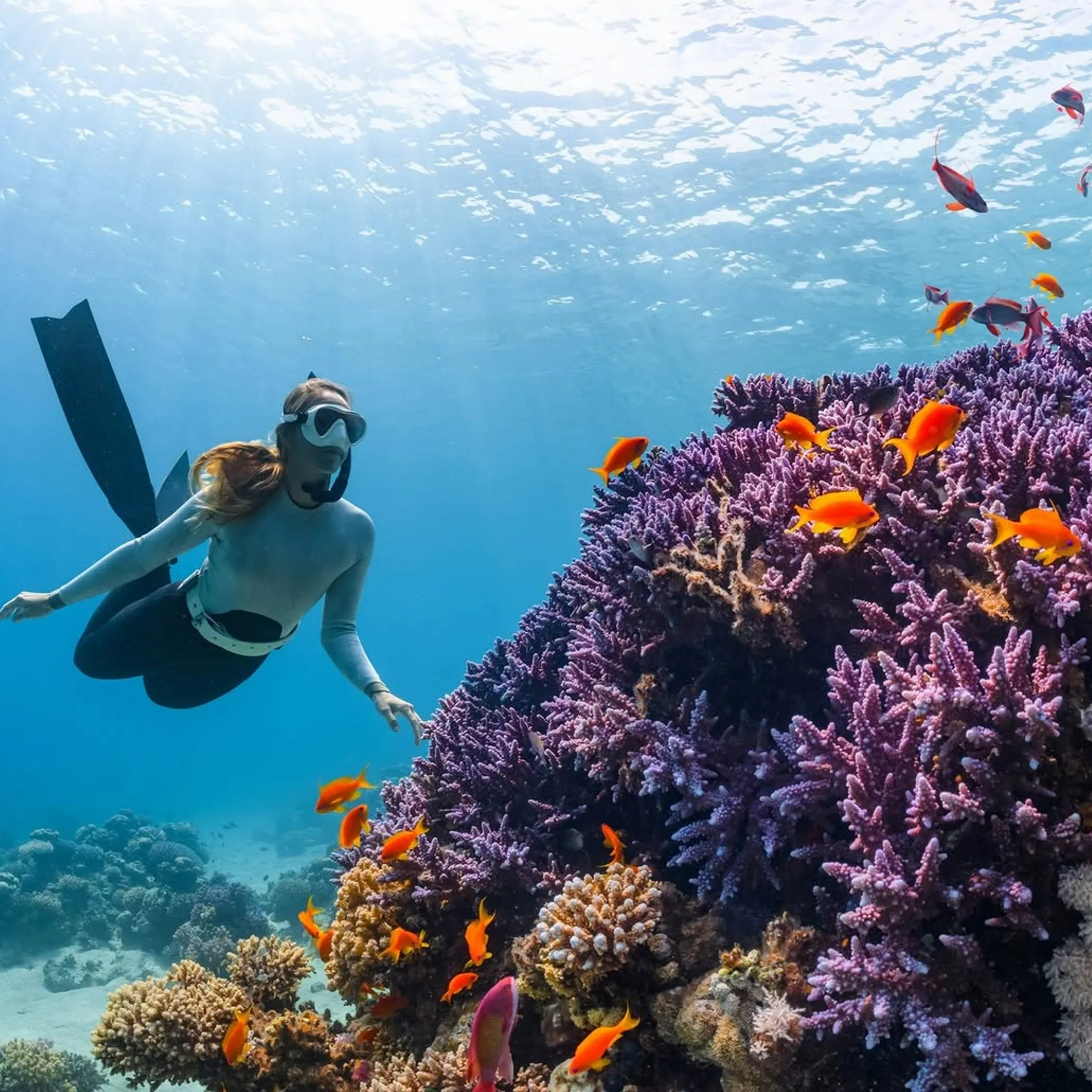
Snorkel with control, float well and stay off the reef. An athletic build is not called for but you must be in command. Too often a beginner will get flustered, concentrate on the snorkel and lose track of his fins, pedalling into a coral bommy like a trolley with a bad wheel.
Have a buddy, even when the trip is organised.
Make sure you have some simple signals in place and are within helping distance, you do not want to require a loudspeaker to be found. If swimming is not your forte, make it known. A decent operator will put a flotation aid in your hands rather than have to pull you back in later. There is nothing to be gained by feigning ability.
Fin Control And Buoyancy
Before you go near any fragile coral make a point of practising your face-down float and raising your head without fuss. Slow your kicks and hold your fins up. Put your mask right in the deeper sand or on a float if you can. Divers should have their buoyancy in check for the same reason, poor trim is hard on the coral and will only stir up sediment and your own nerves. It is a question of body awareness and responsible practice, not something left to the experts.
You will be making your way to the reef by boat, tender or pontoon, or on foot from the shore.
And while what transpires in the water is of concern, boating safety is no less so; a rough crossing or a fall off a ladder are not uncommon and for that reason they matter.
So put aside any confidence you may have from having “done heaps of boat trips” and give the safety briefing your attention. A wet ladder in a swell is indifferent to it, as is the ocean.
Ladders, Crossings And Life Jackets
When told to put on a life jacket, do so. On ladders and stairs make sure you have a hand free. If the crew has an opinion on where to sit for a bumpy run out of the Whitsundays or Cairns, take their word for it and stow any gear that is not secured. And if seasickness is an issue, don’t make a hero of yourself in the back corner with the full sun and no water.
Those accessing the reef from land should see what is on offer in the way of parking and signed paths, and ensure there is a safe exit at low tide and some toilets. What appears straightforward on a map can turn out to be sharp and slippery underfoot. Then there is the return journey which, with wet gear in hand and fatigue setting in, can eat up more time than one would like.
Beaches And Currents
A large tourism boat is not the only way to a reef. There are lagoon and headland entries, beaches where you need to be aware of the tides and surf. The quiet hazards are in the rip currents and wave surge and how the depth of the water changes.
Timing is what gets people. An hour later on the way back a spot that was as flat as a pancake when you put in can be much less amenable.
Shore Entries, Rips And Flags
Where there are patrolled beaches, stay between the flags. In the vicinity of a reef-fringed beach put it to the rangers or locals as to the safest place to enter and about tides and coral cuts. There are site-specific warnings on the signage from Queensland Parks and the marine park that one would do well to read.
Unless you know the area well, steer clear of unpatrolled entries if you have any doubt about rips. From the shore it is not always plain to see how a channel or reef platform will funnel the water.
The Right Gear
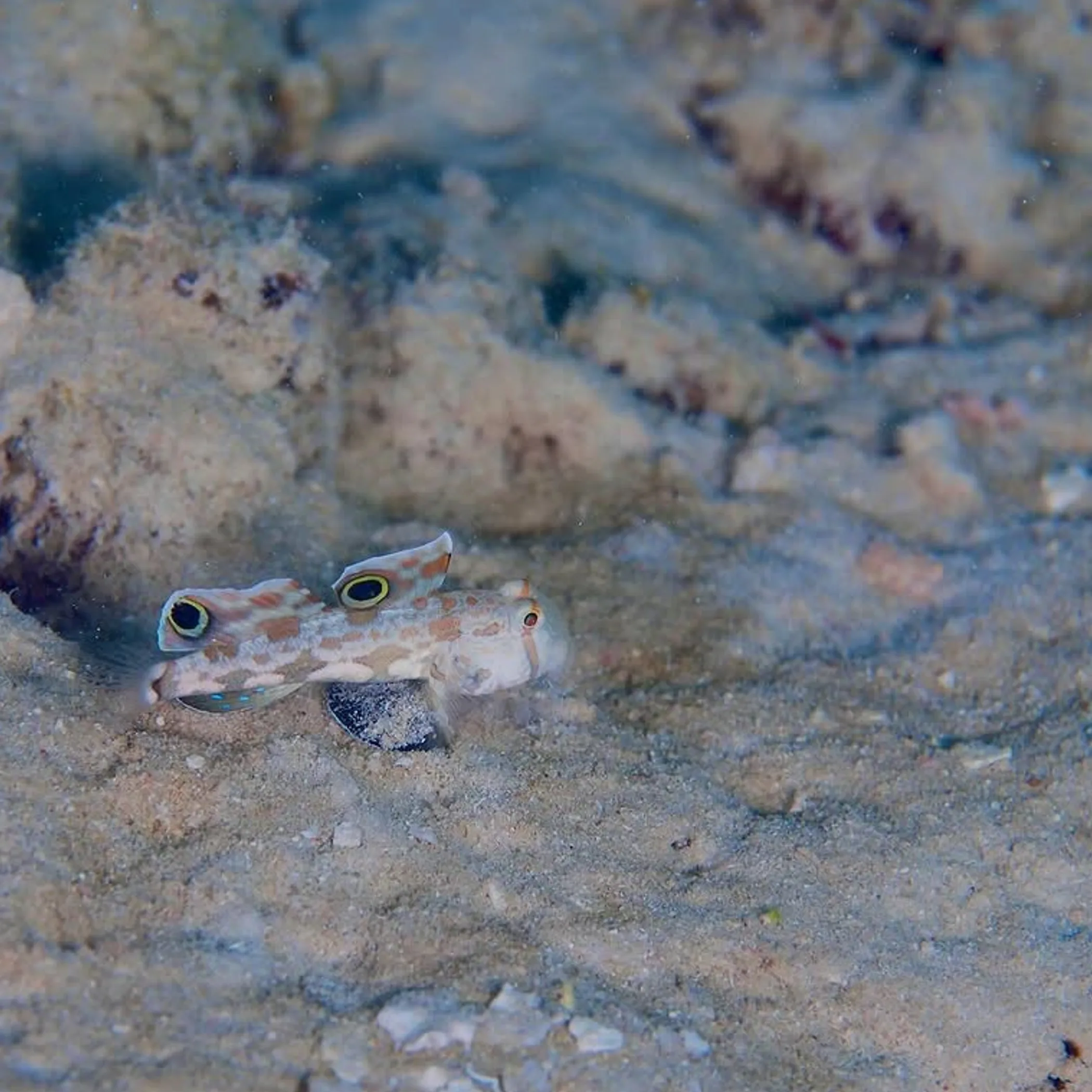
It is of little use if it does not fit or you are at a loss as to its operation. Proper gear mitigates risk, but half the problem is to eschew the panic purchase of something from the department store that will fog, leak or come undone. I wish more would follow this guide before getting on board with a snorkel set and nothing but blind optimism.
| Item | Why It Matters | Best For | Rough Cost (AUD) |
| Stinger or lycra suit | To limit contact with stingers and the sun | Whitsundays, Great Barrier Reef and Tropical North Queensland | AUD 60-120 (tours may include or let you hire one) |
| SPF sunscreen, reef-safe | Less impact on the reef than conventional brands while protecting the skin | Any trip to the reef | AUD 20-35 |
| Water bottle (refillable) | Dehydration is a risk on boat or shore | AUD 10-40 | |
| Mask and snorkel | For the novice or seasoned snorkeller to avoid poor visibility and leaks | AUD 80-250 | |
| Reef shoes | Good for a sharp shore entry, though not for putting on coral | Shore access | AUD 20-60 |
| Tablets for the stomach | Makes a long crossing from Exmouth or the outer reef of Cairns a lot easier | AUD 10-25 |
A Checklist Before You Go
- Have a look at the wind, swell and marine forecast the day prior and once more in the morning.
- Make your booking with an operator that is reef-friendly and will brief you on safety.
- Don’t forget dry clothes, towel, hat, sunglasses and water.
- If they do not provide one, pack a stinger suit Australia-appropriate for northern waters.
- See that your mask fits before you are on the boat.
- Let the staff know of any medical issues, medications or lack of confidence in the water.
Do Your Part To Protect The Reef
There is an element of self-preservation in being a responsible visitor. Reefs in good health are better able to deal with those who do not stand on the coral, pester the wildlife or leave their rubbish about.
Then there is Adelaide Crowe’s simple rule: if you have to touch or corner something for your amusement, think again.
Look Don’t Touch
More than a slogan. Coral is animal tissue and even the lightest of touches is damaging. A lot of wear and tear is put on things by human skin oils, jewellery, fins and the odd case of standing where one should not. You will see the effects of it in no time at all at some of the more popular spots off Ningaloo or the Great Barrier Reef.
Then there are the regulations of a protected marine park which in some zones put limits on your fishing, anchoring and contact with wildlife. Private boat owners would do well to be familiar with the mooring and zoning rules in an area before putting an anchor down beside coral.
Know What To Do Fast
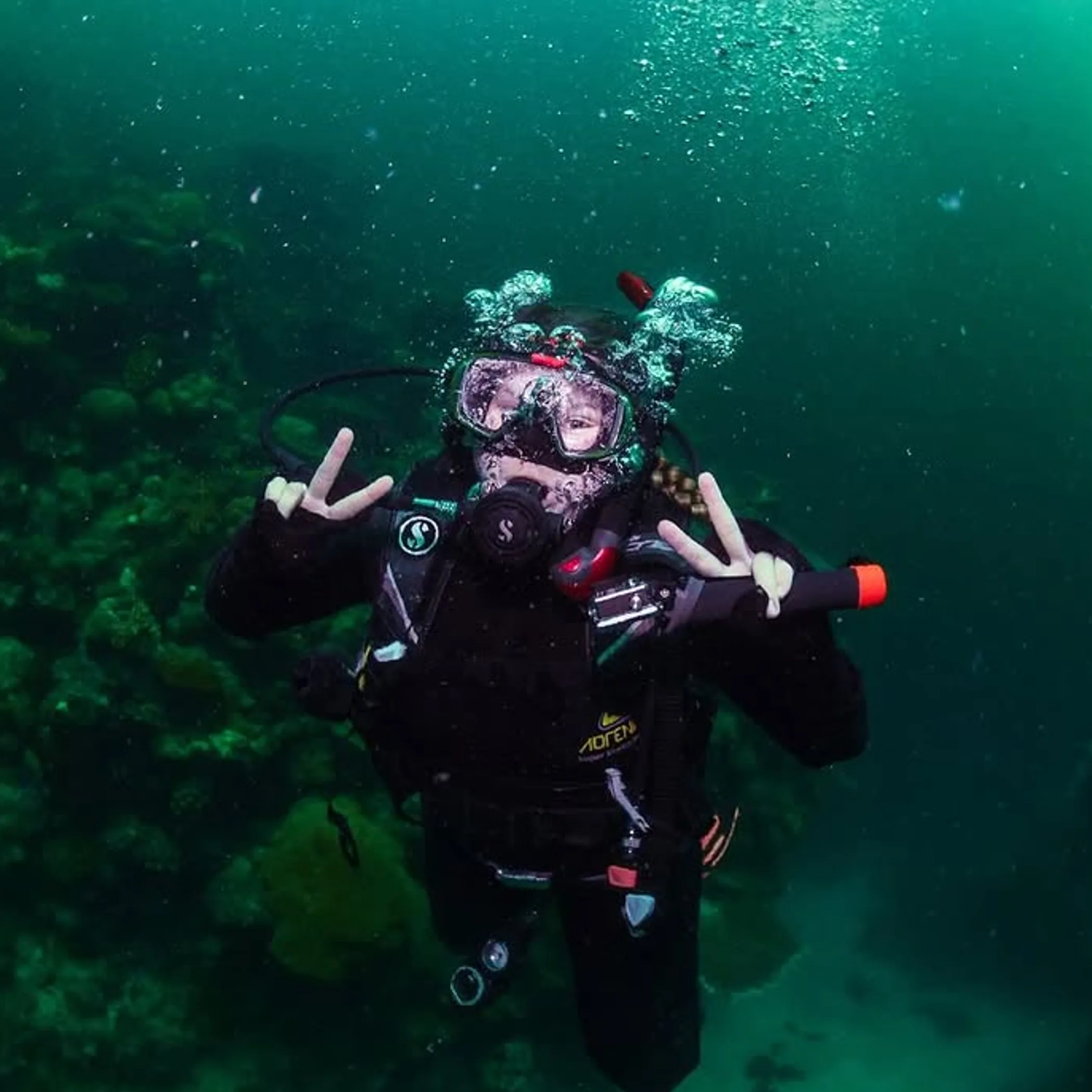
For all that visit without incident, emergencies while on the reef are uncommon. But they have a way of escalating. There is no time for panic; you need clear steps.
Should a person be stung, missing, in distress or suffering from the heat, make sure the crew are made aware or put in a call to emergency services. Amateur heroics are no substitute for early intervention.
Who To Contact And When
Crew on a commercial tour are your first point of call as they have the means for retrieval, flotation, oxygen and communications. From land dial 000 in any urgent matter. Heat exhaustion is best dealt with by getting the individual into the shade and cooling them off; if there is no quick improvement in their condition, act on emergency advice.
One could say the same holds true for all Australian reef regions: operator instructions, official warnings and what the local conditions dictate will always trump something you read online.
Quick Reality Guide
- Make of your day what you can but if you have only one, forgo several hasty stops in favour of a single tour of the outer or sheltered reef where the safety support is good.
- A managed site in the vicinity of Cairns, Exmouth, Port Douglas or Coral Bay with seasoned crew and untroubled water entry is the way to go.
- Leave the solo reef swims, rough open-water crossings and strong-current drift snorkels to others; they are not for the novice, nor are remote shore entries without a patrol.
Take It Slow And Enjoy It
You will not find much flash in the soundest advice for an Australian reef outing. Plan, suit up, heed the locals and be respectful of the reef and your own limitations before the water has to show them to you. The unhurried sort is well rewarded here. Be croc-wise, stinger-wise and sun-wise as the occasion demands and you will be left with memories of the turtles and the absurdly blue water rather than a cut foot from being thirty seconds too eager, or the panic and sunburn.
Frequently Asked Questions
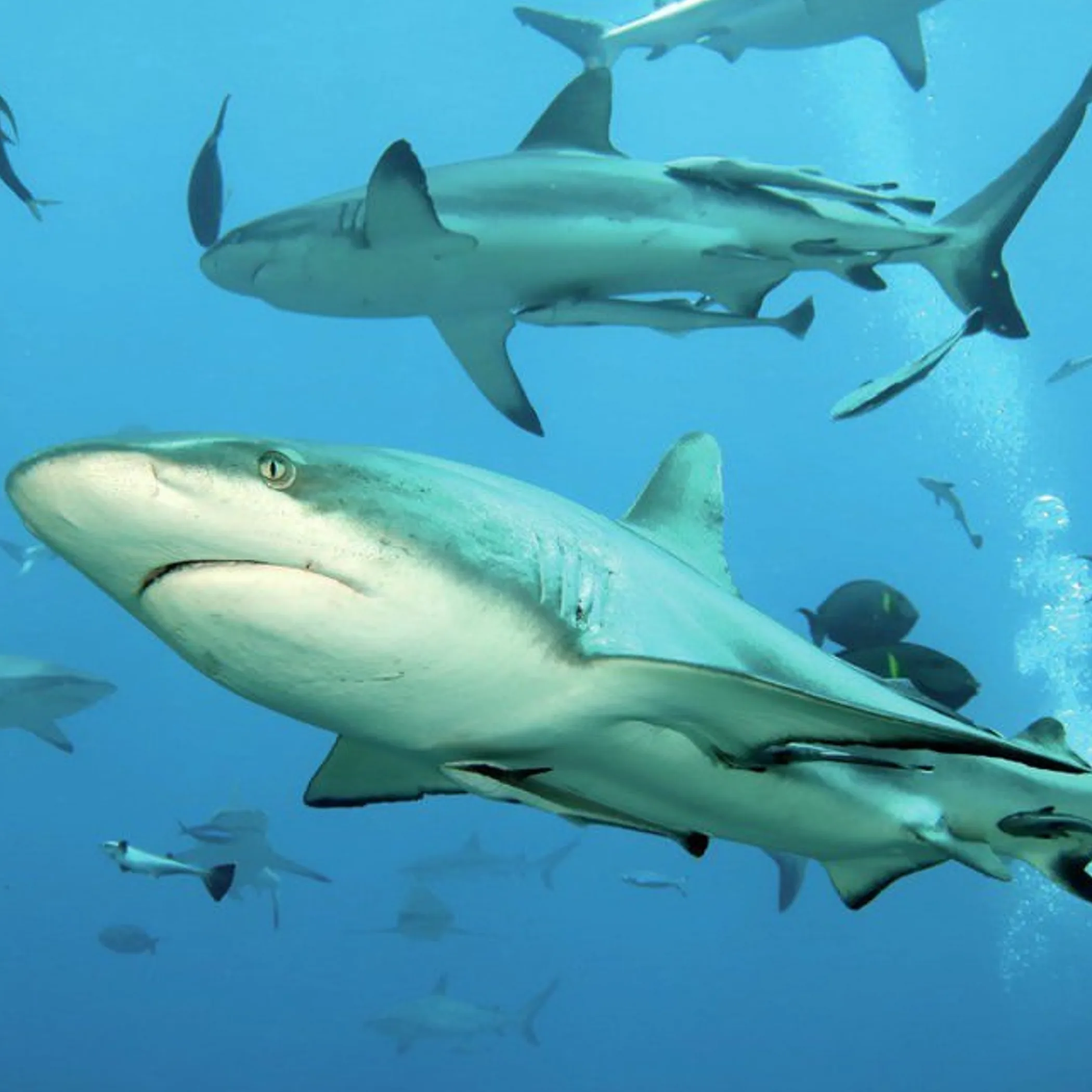
Travellers to Australia’s coasts and reefs have a number of questions. Some of these extend beyond the reef proper but are pertinent to planning and safety.
Is 3000 AUD Enough For 2 Weeks In Australia?
It depends on your itinerary and mode of travel. On a daily basis AUD 3,000 over 14 days is some AUD 214. That will see you through a modest motel or hostel, public transport, an occasional hire car and a couple of reef tours on a mid-range to budget level. Add in a resort, peak-season flights or a top end charter and it is not so comfortable.
Is It Safe To Swim In Australian Beaches?
Provided you stick to patrolled beaches and have regard for the flags, rips and any warnings about stingers or other wildlife, yes. Season and location will alter the risk. Near the reef you want to be mindful of the currents and the state of the shore entry.
What Is The Top 5 Cause Of Death In Australia?
I am not going to hazard a guess at the rankings since they are subject to change with the source and reporting period. For the figures you can rely on, check the latest from the Australian Bureau of Statistics.
Can You Wear Jeans In Australia?
You certainly can. But on a reef trip they are a poor choice when the salt spray, humidity and heat get involved. Opt for something light and that dries fast and put aside a dry set of clothes for the journey back.
Do I Really Need A Stinger Suit On Reef Trips?
Up north in the warmer months it is highly advisable and operators will often put one on you. It is good prevention and offers some protection from the sun as well. If the crew put in a word for one, you might as well oblige.
